Digital Childhood
Screen time, YouTube, Roblox, AI, digital safety, educational apps and technology choices for children and parents.
-
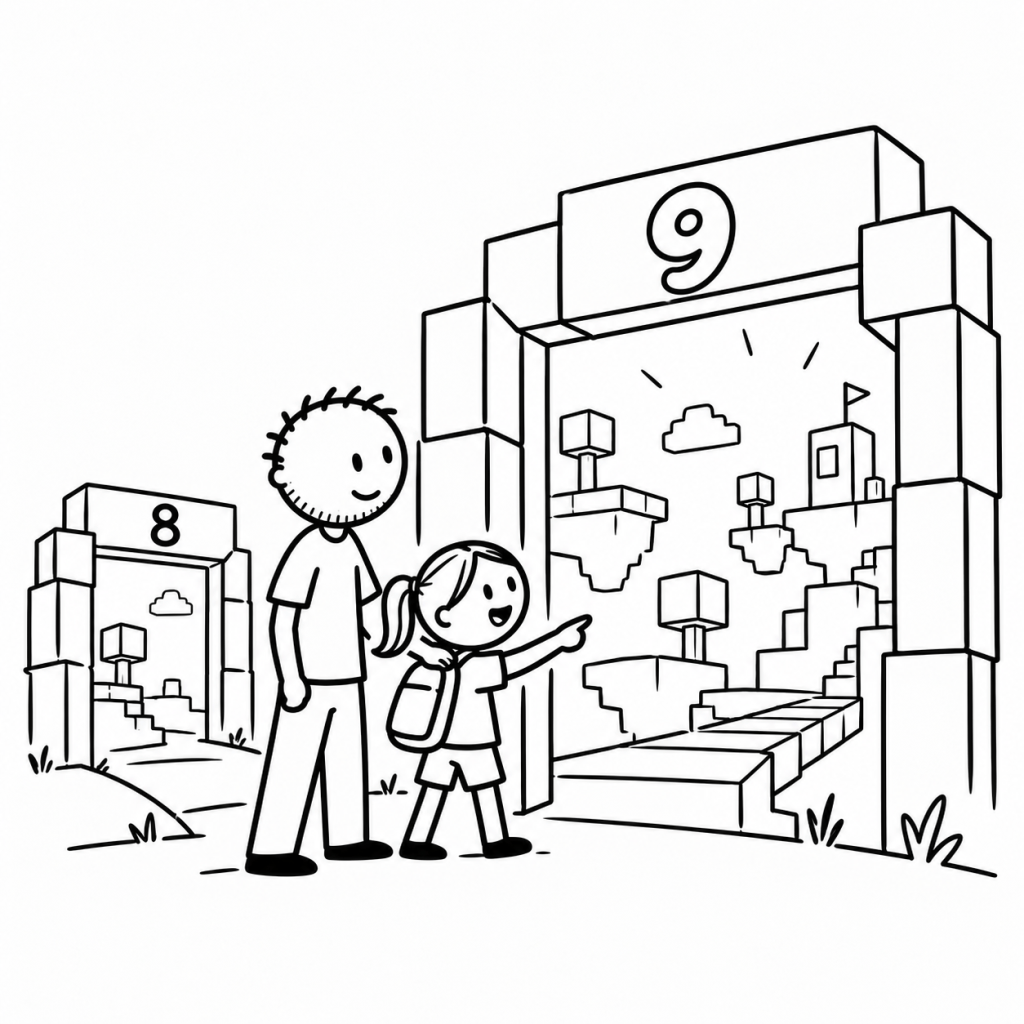
Your Child Turns 9. Roblox Opens Up More Games. What About Safety?
Turning 9 can open more Roblox games—but what changes for chat? Understand Roblox Select, the age-13 shift, and a five-minute birthday safety check.
-

Where Do Your Child’s AI Notes Actually Go?
Before uploading a child’s homework, notebook or worksheet to AI, check what personal information travels with it—and what the tool stores afterward.
-
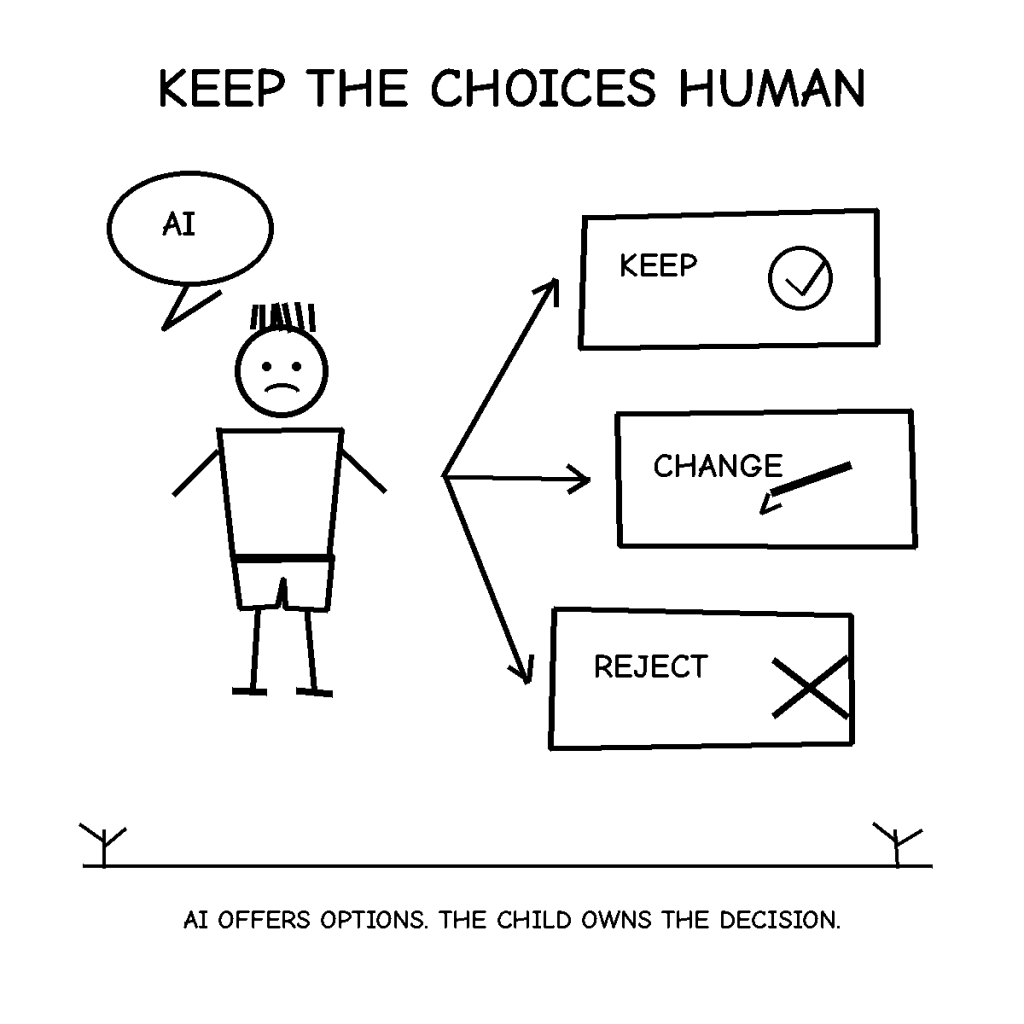
If AI Rewrites Your Child’s Story, Who Made the Choices?
Should AI correct or rewrite your child’s story? Learn how to give feedback that protects creativity, writing practice and the child’s own decisions.
-
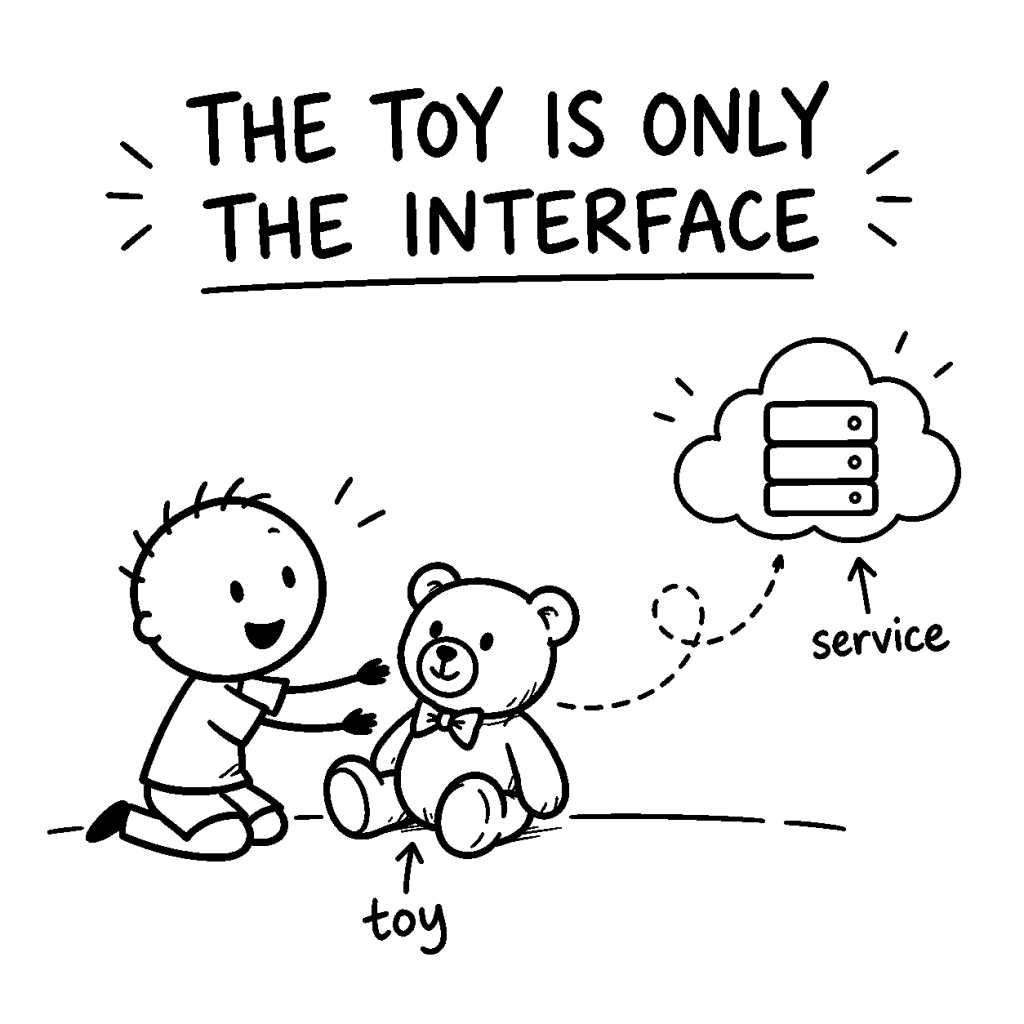
An AI Teddy Bear Is Not Just a Toy. It Is an Internet Service in the Toy Box.
A talking AI toy may look like a teddy bear or robot but it can listen, send conversations to servers and generate new responses. Before buying one, parents…
-
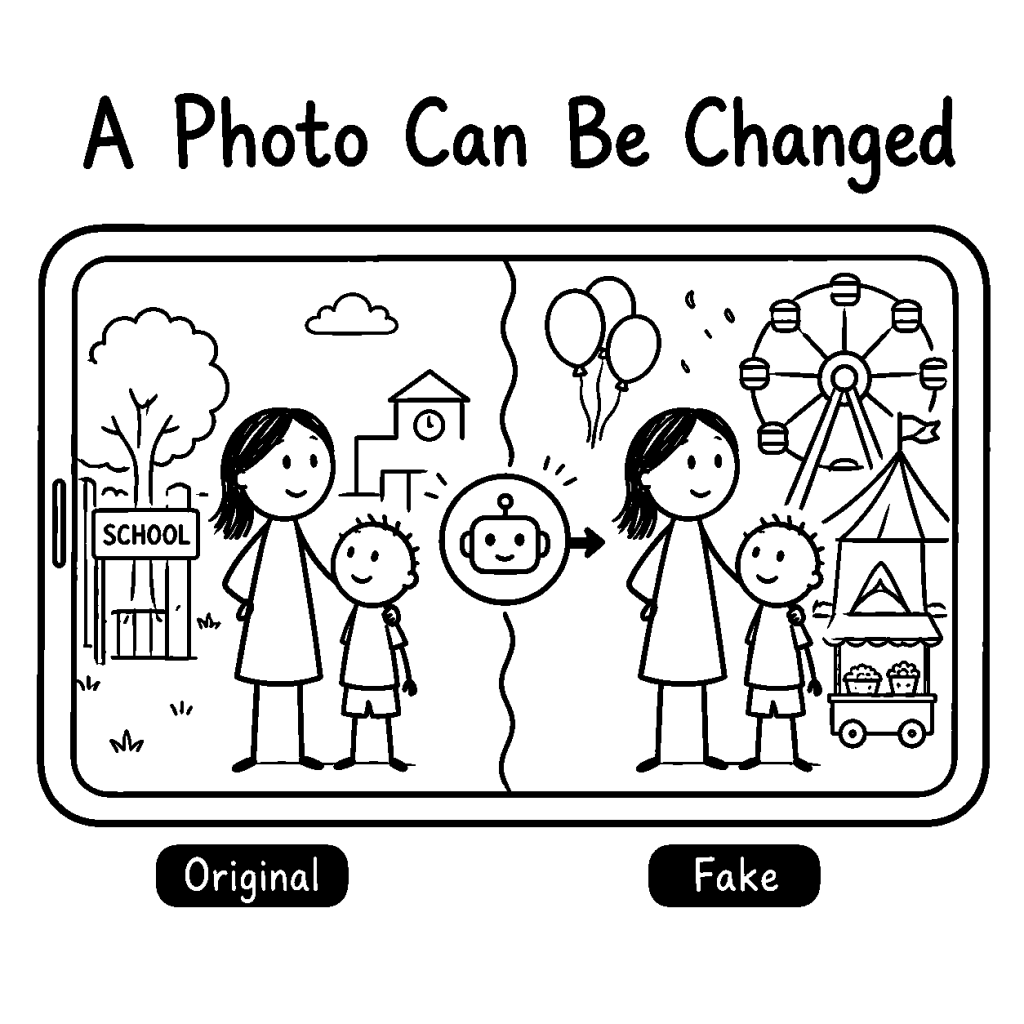
A Photo Is No Longer Just a Photo: What Parents Should Teach Kids About AI Deepfakes
AI can turn an ordinary photo into a convincing fake. A calm, practical family framework for sharing images, checking what looks real and responding to deepfakes without panic.
-
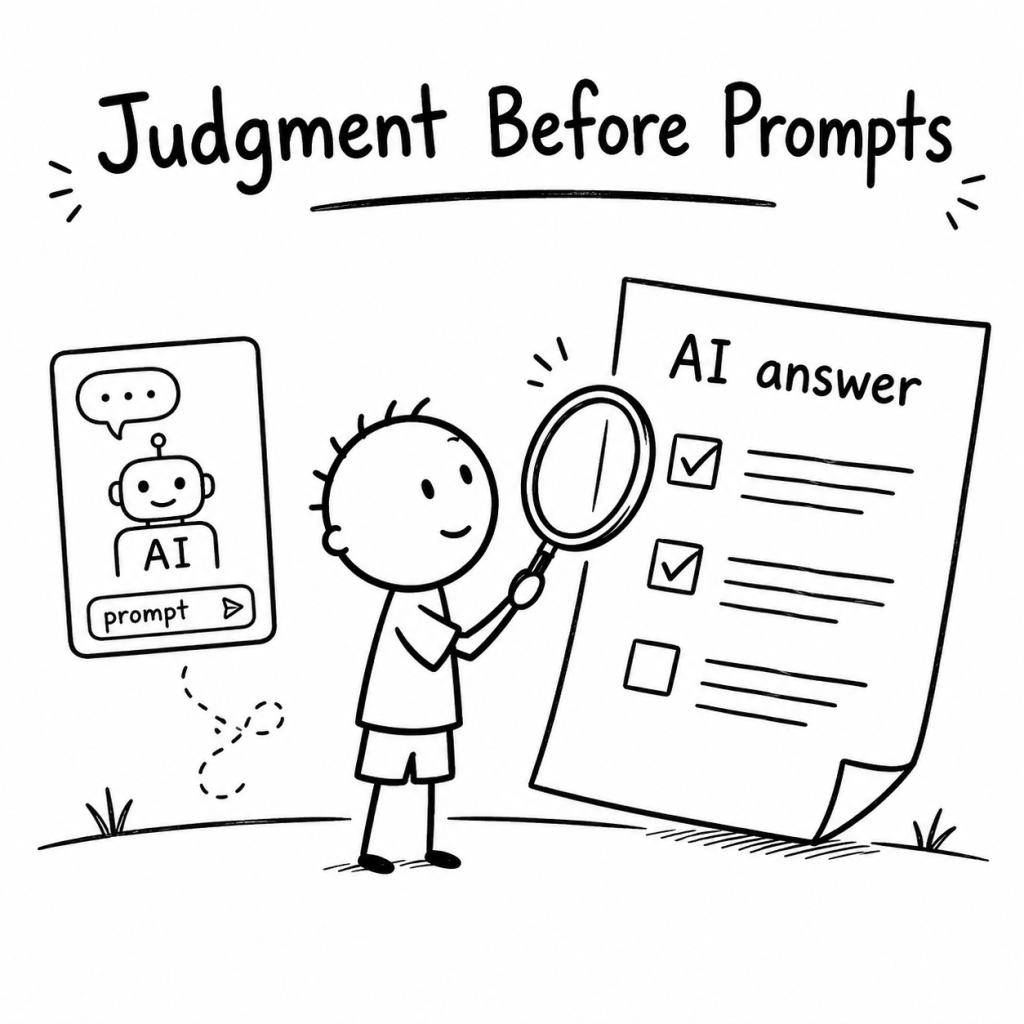
Your Child Doesn’t Need Better AI Prompts First. They Need Better Judgment.
Teaching children better AI prompts is useful, but judgment matters more. A practical framework for helping children think, question and verify before accepting AI answers.
-
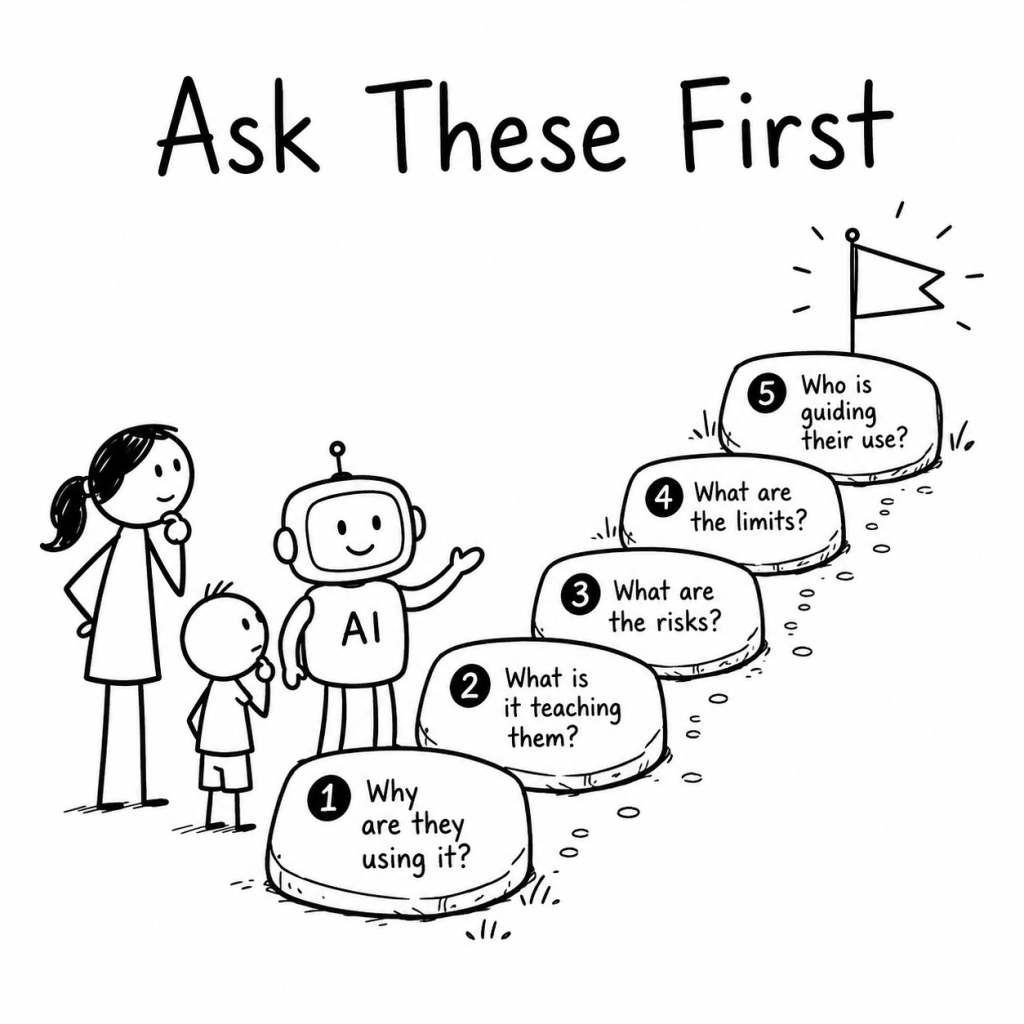
Should Children Use AI? Five Questions Parents Should Ask First
Should children use AI for homework, learning and creativity? Five practical questions help parents protect effort, judgment, privacy and independent thinking.
-
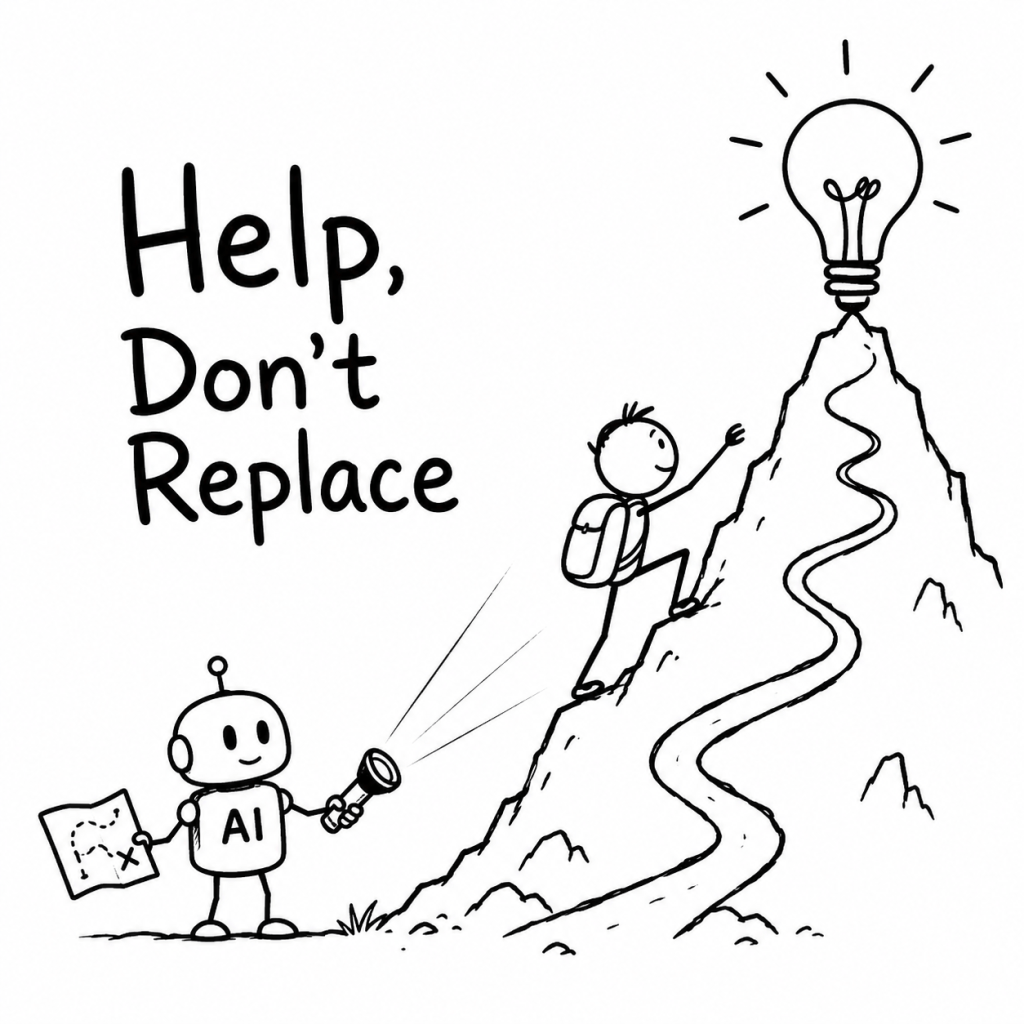
How to Use AI Without Letting It Do Your Child’s Thinking
A practical four-step way to use AI as a learning coach while keeping the attempt, explanation and application with the child.
-
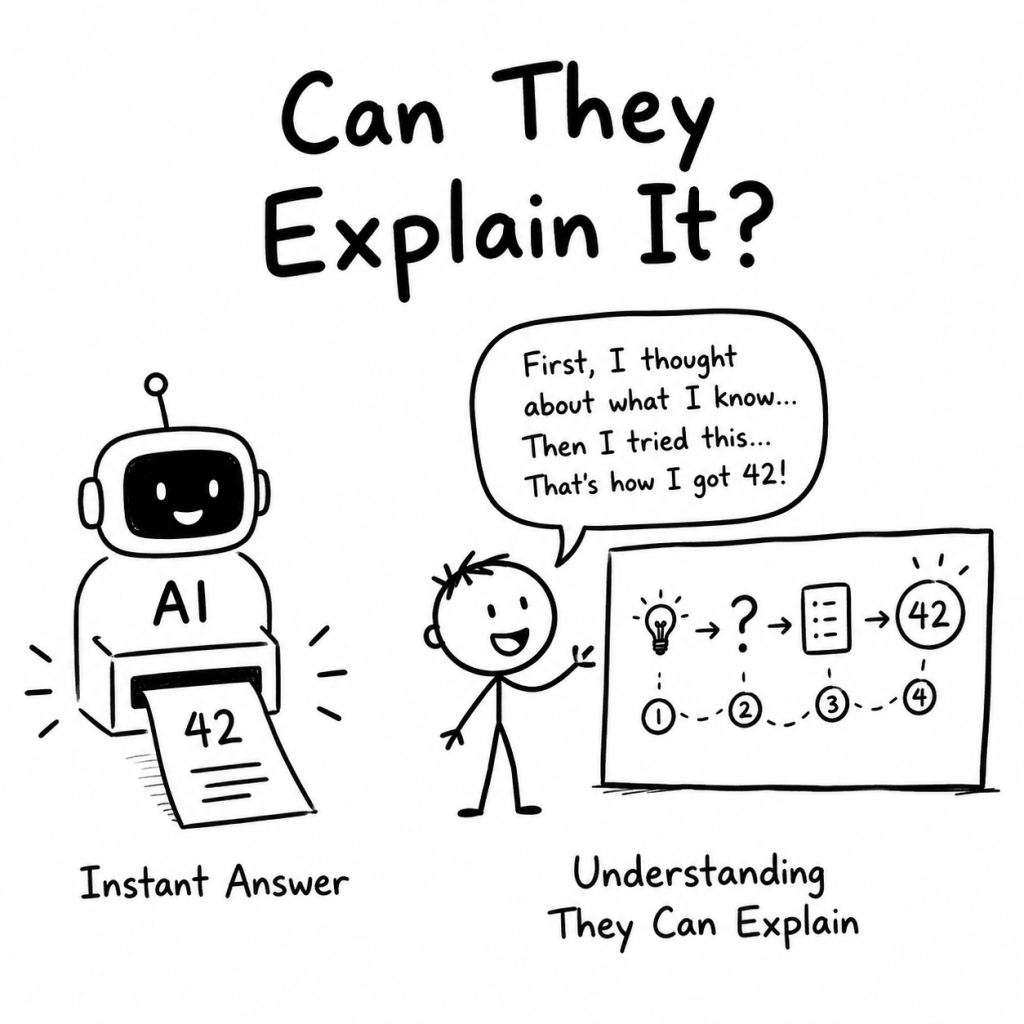
Can Your Child Explain the Answer Without AI?
A practical explain-back test parents can use to see whether AI helped a child understand an idea or only produced a polished answer.
-
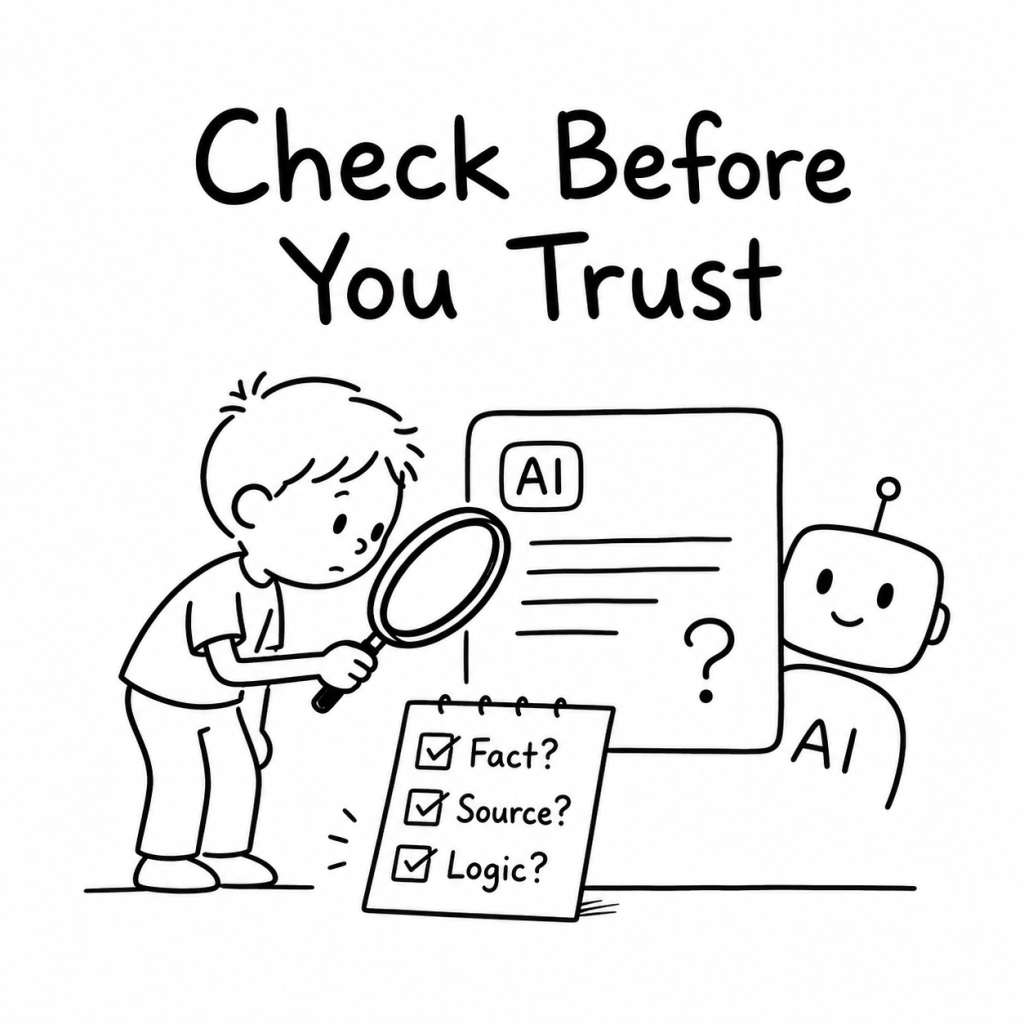
How to Teach Children Not to Trust Every AI Answer
A practical family framework for checking AI answers together: Pause, Question, Check, Compare and Explain.
-
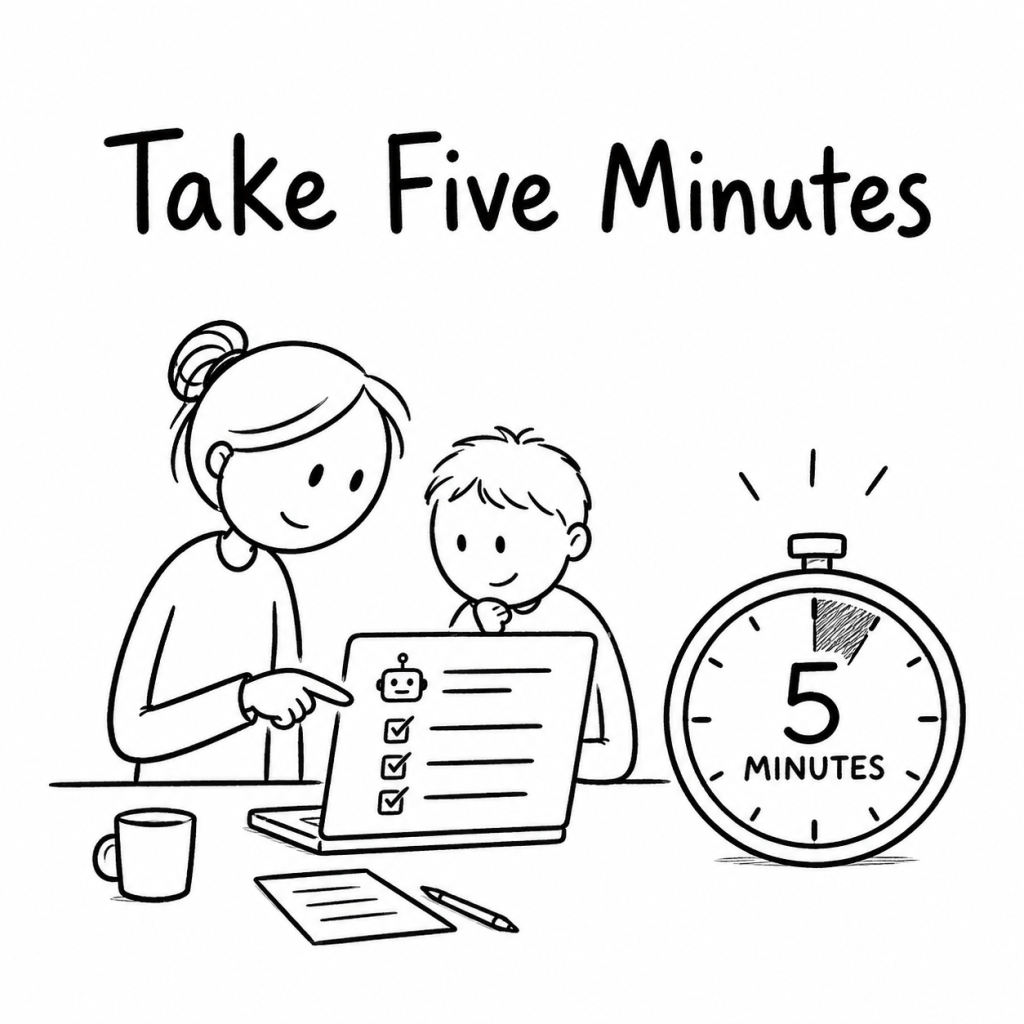
A Five-Minute AI Answer Check for Families
A short five-minute routine families can use to check an important AI answer before believing, sharing or using it.
-
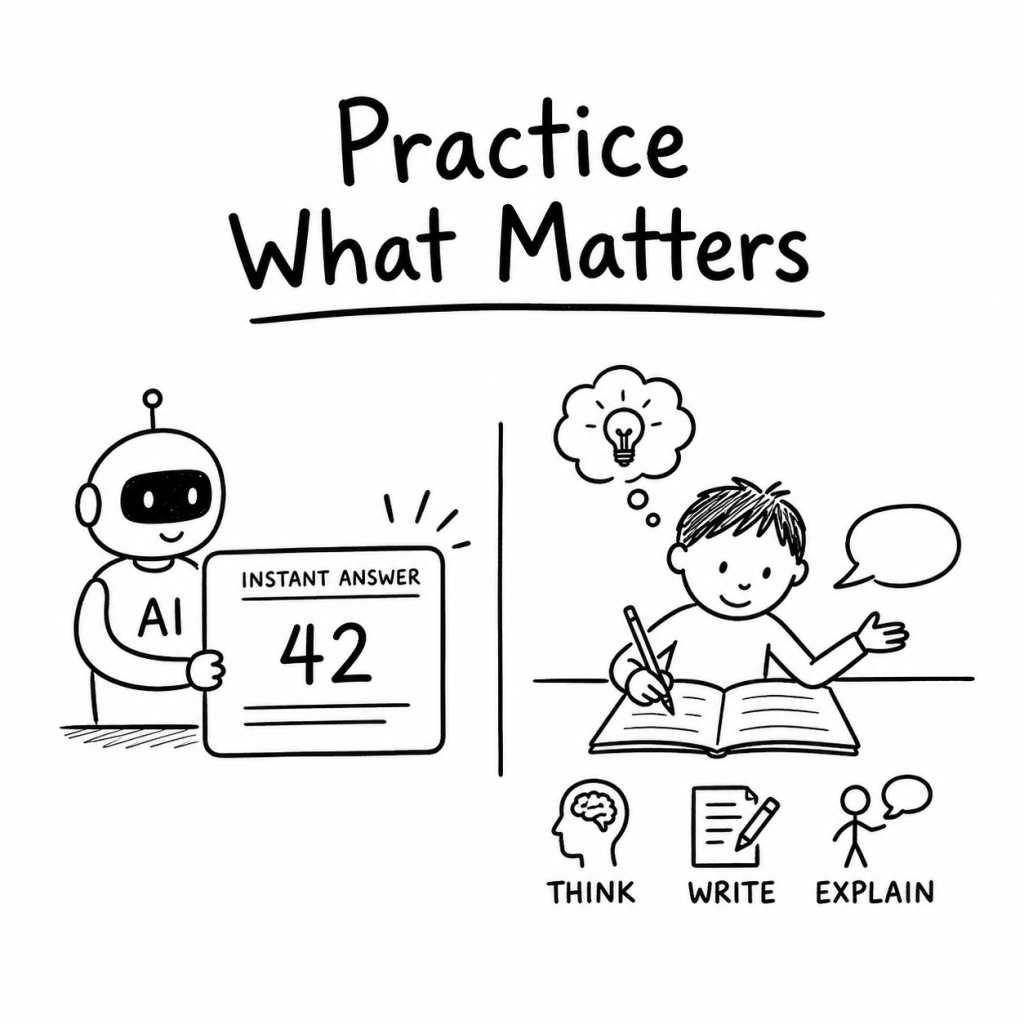
What Should Children Keep Practising When AI Can Produce the Answer?
When AI can produce polished answers quickly, children still need to practise questioning, first attempts, judgment, connections and experimentation.
-
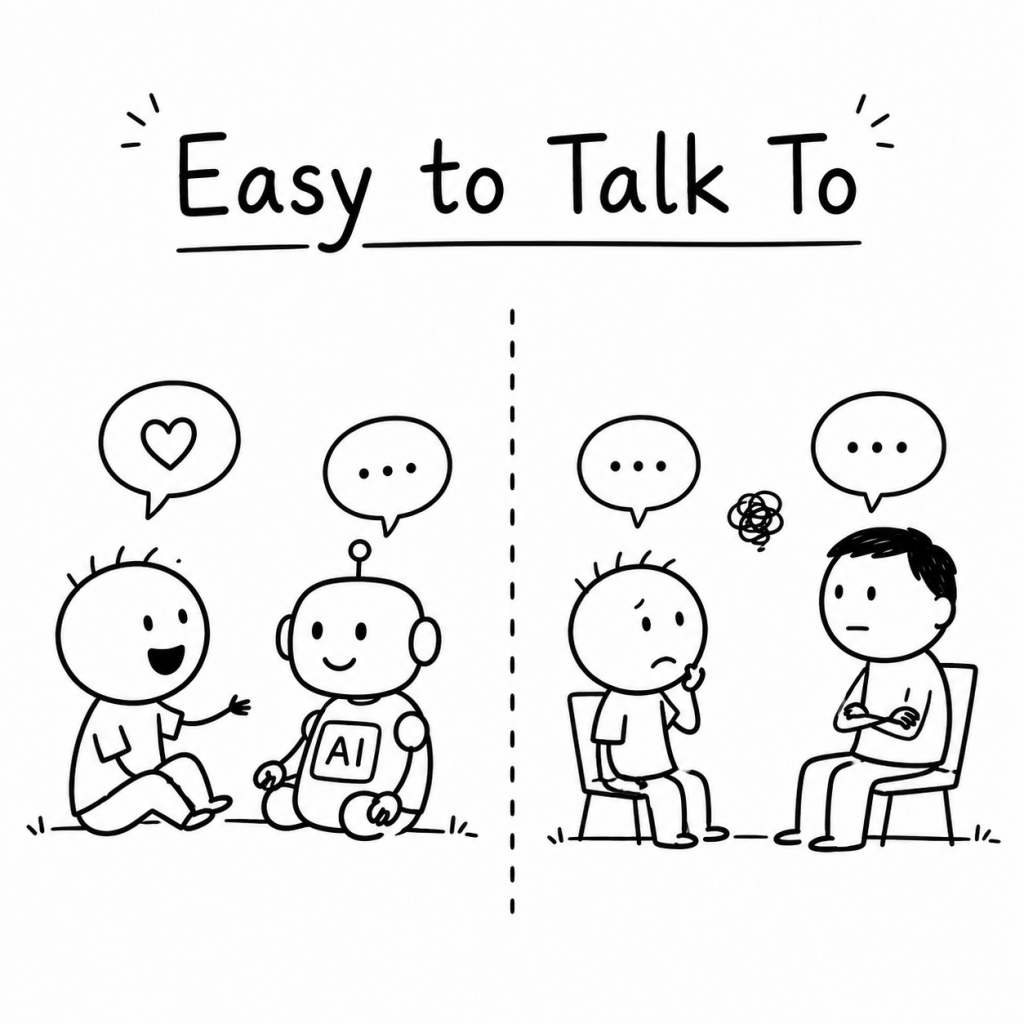
When AI Feels Easier to Talk to Than People
AI can feel patient, available and nonjudgmental. Parents should understand the appeal without mocking it, while helping children protect privacy and keep human support within reach.
-
How to Prepare Children for an AI-Shaped Future
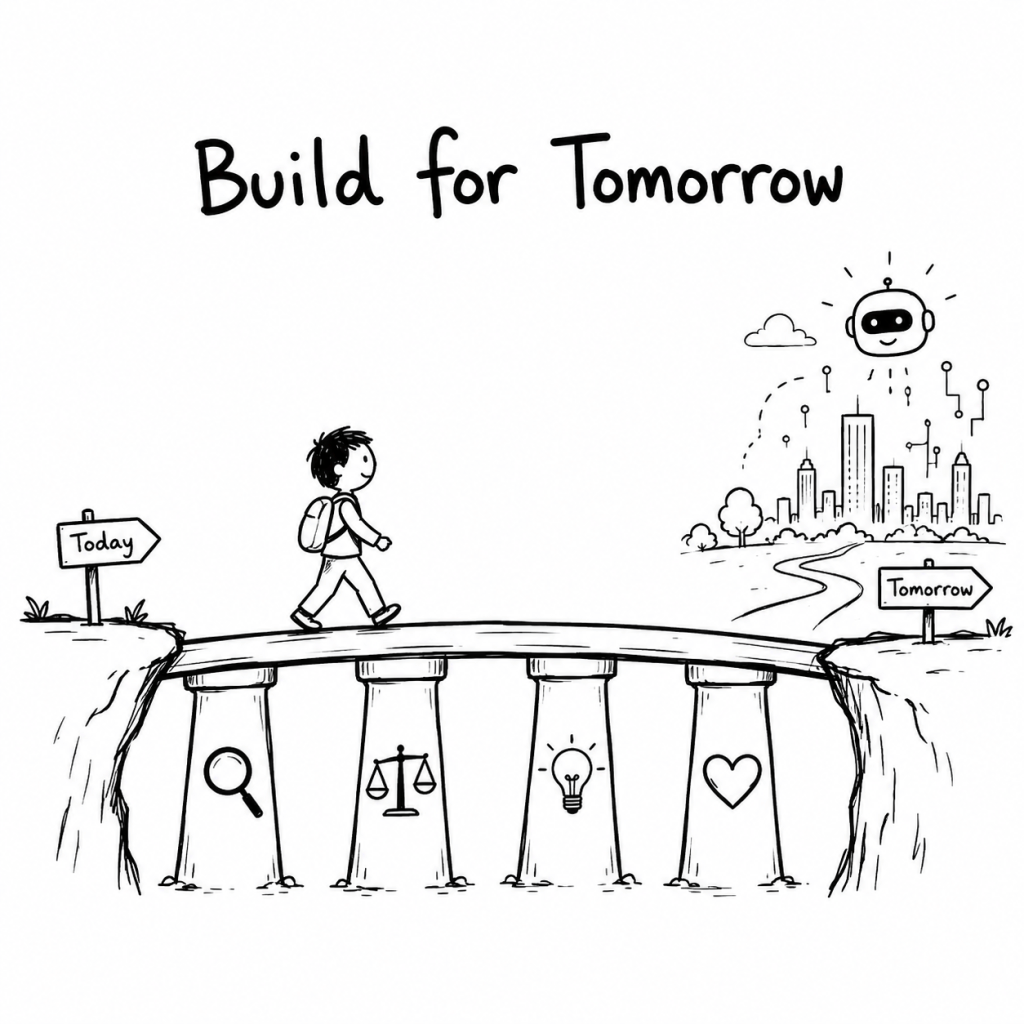
A practical framework for helping children explore, question, create, verify and decide with AI without trying to predict a specific future career.
-
AI Prompting Can Teach Children to Define a Problem Clearly
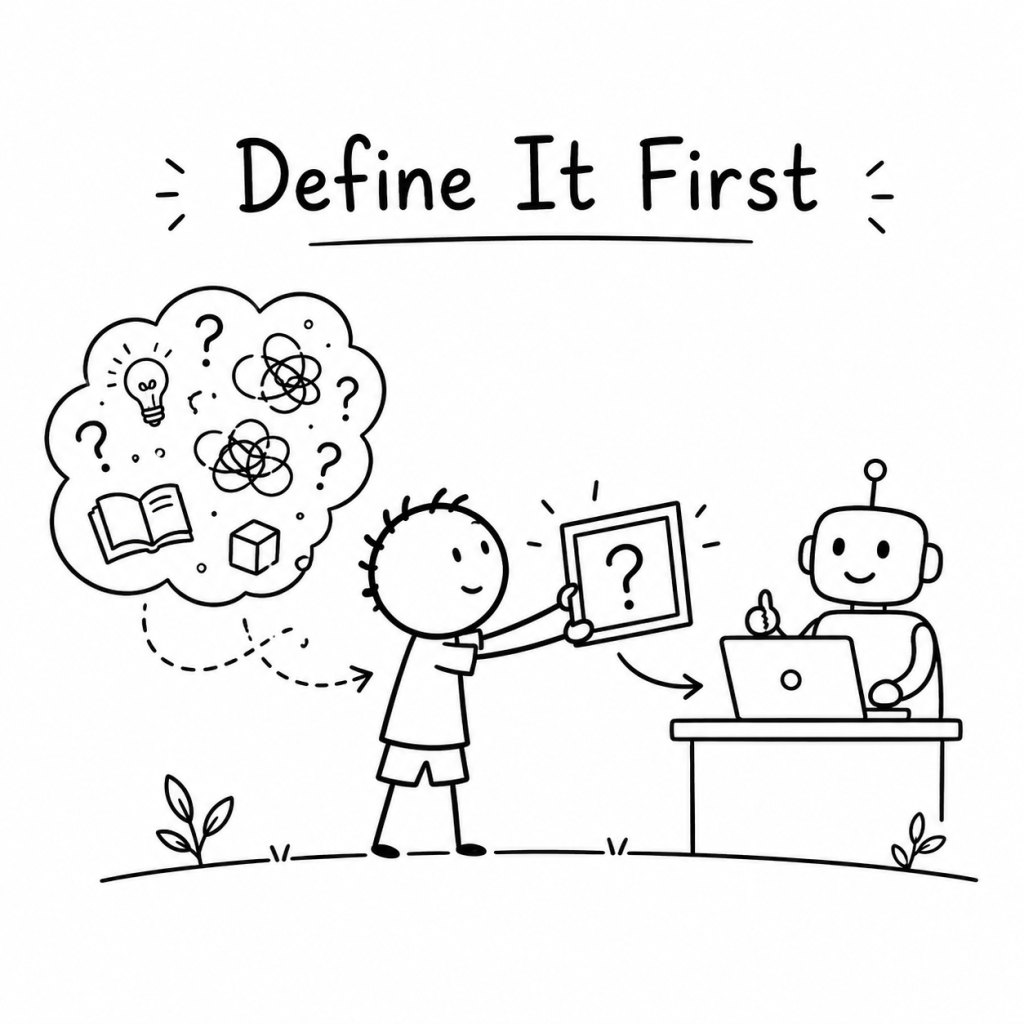
A useful AI request needs more than a desired result. Children can practise defining the goal, adding guardrails, supplying context and checking whether the output actually fits.

