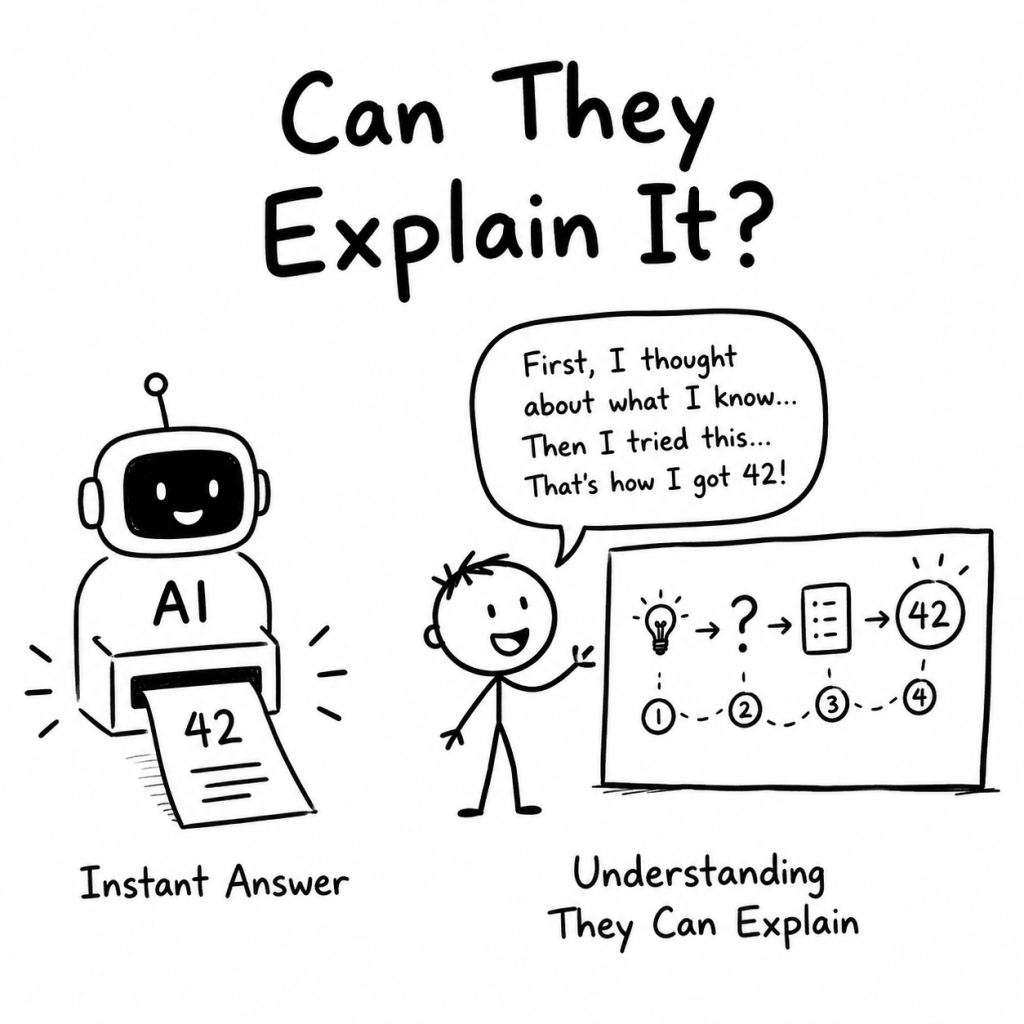
AI can help a child produce a polished answer in seconds. That does not mean the child understands it.
This is one of the difficult parts of parenting in an AI-enabled world. A finished assignment, correct vocabulary and a confident explanation can all create the appearance of learning.
The difference often becomes visible only when we ask the child to go one step further.
The explain-back test
The first answer may come from memory, a textbook or AI.
The next question asks the child to use the idea rather than repeat it.
Imagine a child asks AI to explain photosynthesis. The answer sounds clear and the homework looks complete. A parent could then ask:
- Why does the plant need sunlight?
- What might happen if it received water but no light?
- Can you explain it without using the word photosynthesis?
- Can you draw what is happening?
The goal is not to catch the child out. It is to see whether the idea has moved beyond the original wording.
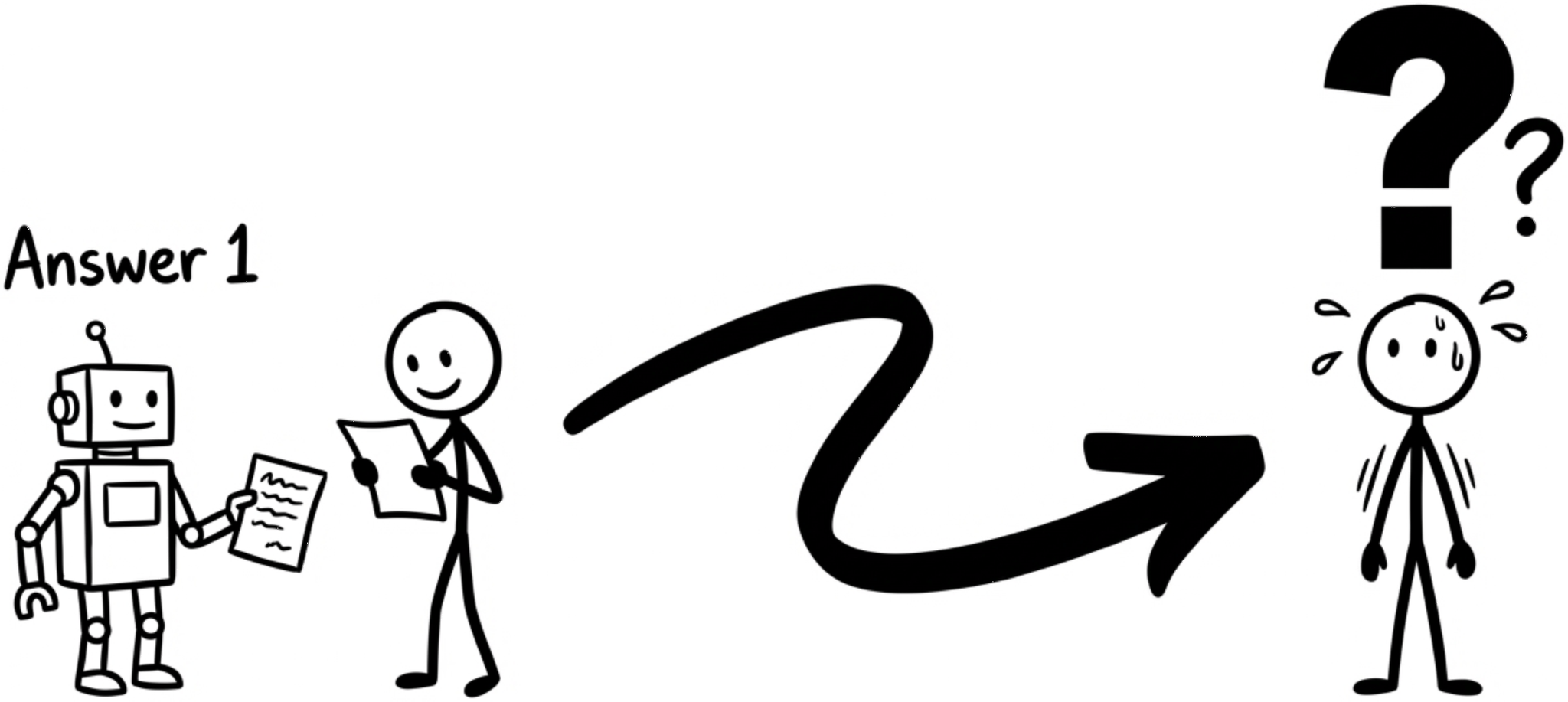
Four signs the idea belongs to the child
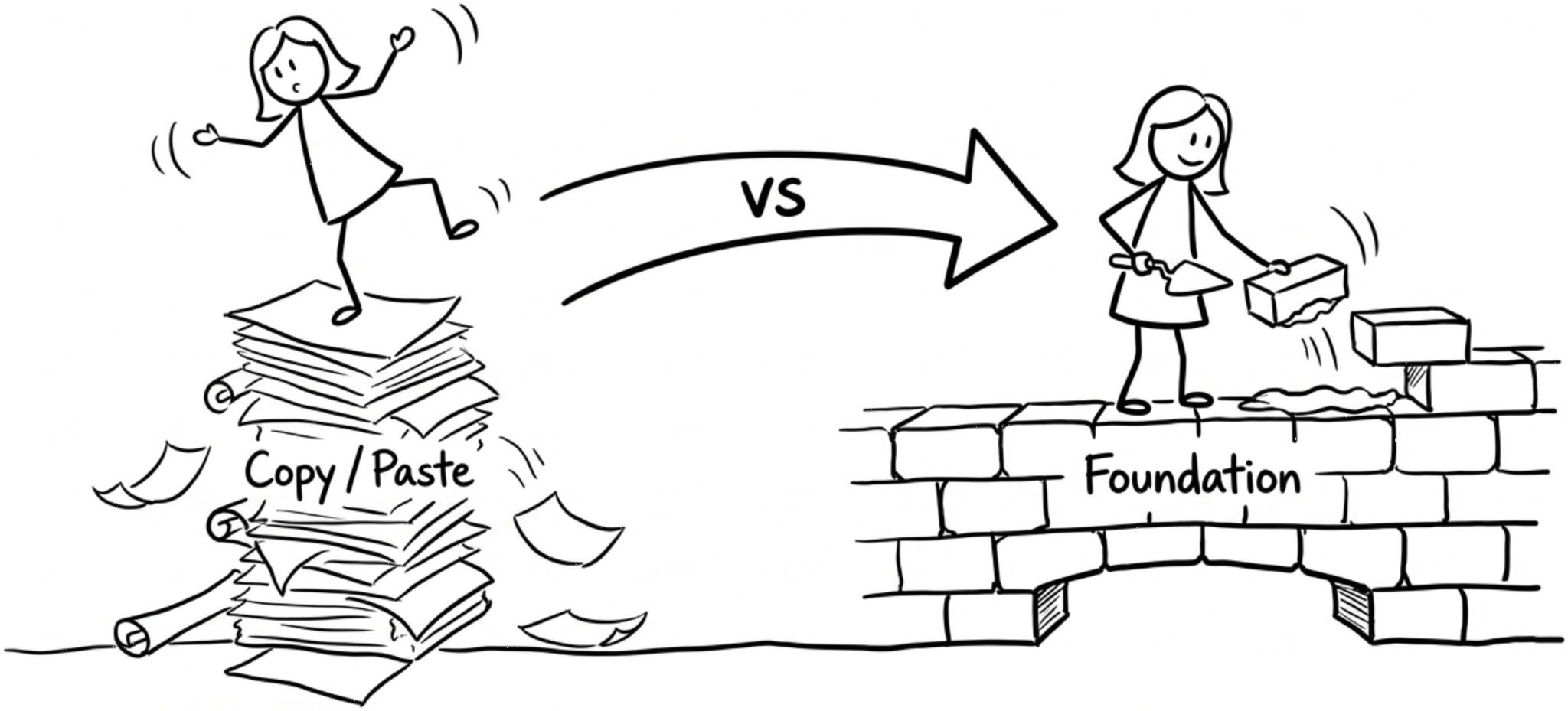
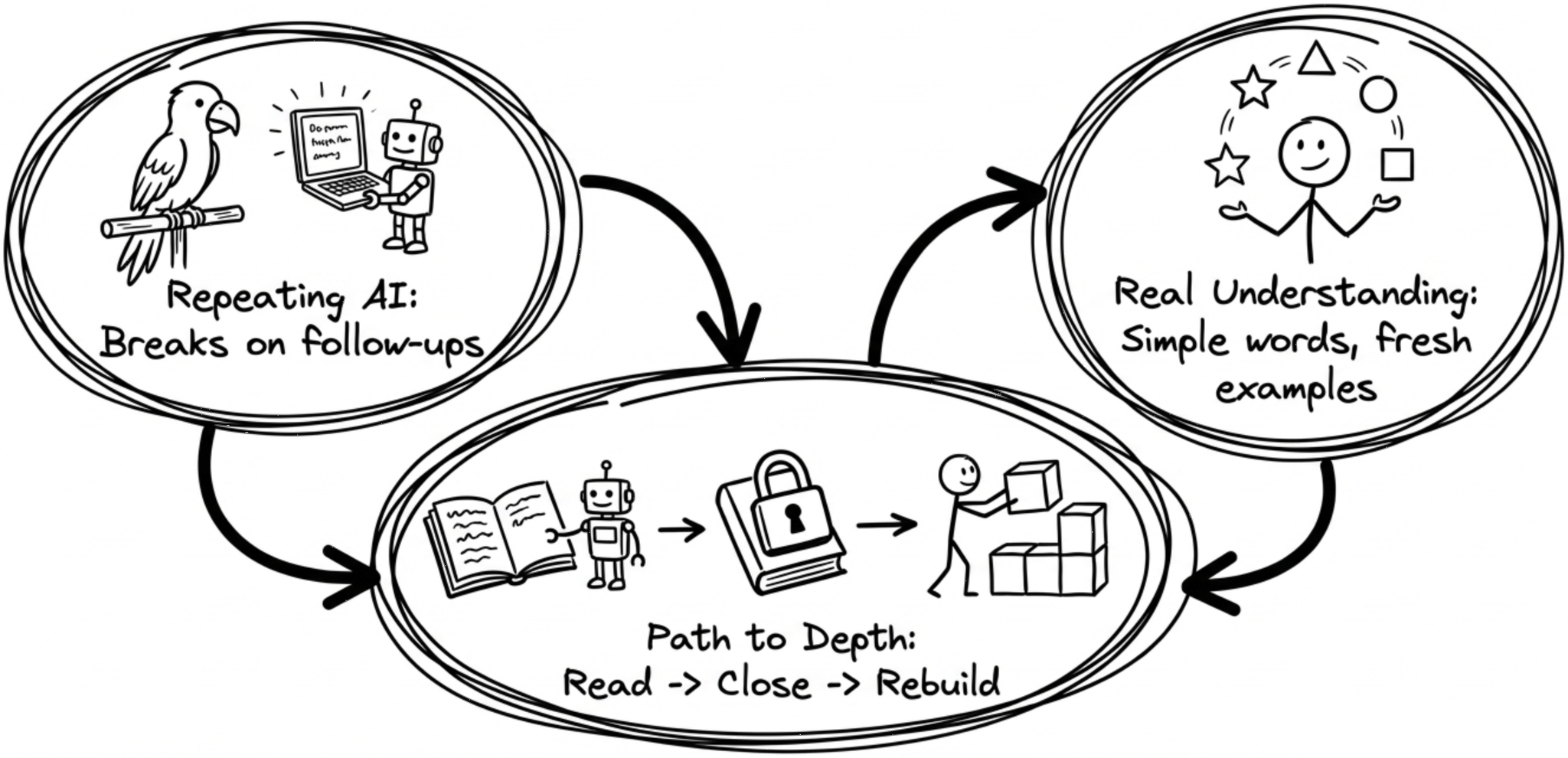
Repeating is not the same as understanding. AI can make that gap harder to notice because the words arrive complete and polished.
A useful explanation does not need to be perfect. Look for four simple signs:
- Simplify: The child can use their own words.
- Connect: The child can relate the idea to something familiar.
- Apply: The child can give a new example or answer a basic “what if” question.
- Notice: The child can say which part is still unclear.
A pause is not failure. An imperfect explanation may reveal more learning than a flawless paragraph repeated from the screen.
Parents do not need to know the topic better than the child. You can listen for the shape of their thinking.
Turn AI into a questioner
AI becomes more useful when it stops doing all the explaining.
Ask the child to explain the topic first. Then let AI ask follow-up questions, point out unclear parts and request a simpler explanation.
I will explain this idea in my own words. Ask me three follow-up questions. Tell me which part is unclear, but do not give me the full answer immediately.
This changes the role of AI. It becomes a practice partner rather than an answer sheet.
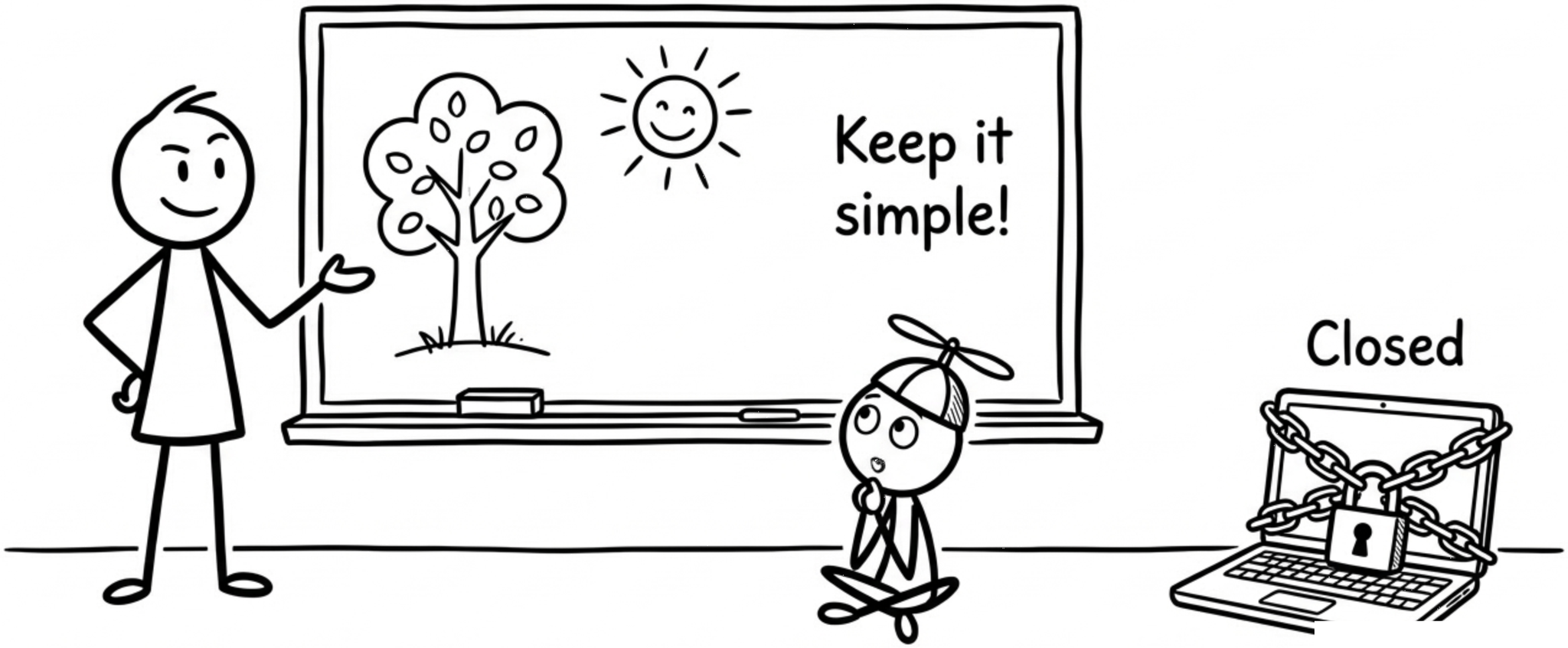
Closing the screen after reading is useful too. It removes the polished wording and leaves the child with the idea they actually remember. This is one practical way of using AI without letting it do all the thinking.
The five-step learning loop
A useful AI-assisted learning routine is not a straight line from question to answer.
Try this loop:
- Read: Use AI to explore an explanation.
- Close: Move the screen or answer out of view.
- Explain: Ask the child to rebuild the idea in their own words or with a sketch.
- Question: Ask one follow-up question that changes the example or condition.
- Revisit: Return to AI only for the missing or confusing part.
Each round should leave more of the thinking with the child.
Do not submit an AI-assisted answer until you can explain it without looking at the screen.
Try this with one topic this week
Let your child use AI to explore one topic. Then close the screen and ask:
Can you explain that to me as if I have never heard of it?
Listen for their own words, a new example, a connection and an honest point of confusion.
The goal is not to keep children away from AI. It is to make sure the tool does not remove the part where their own thinking is built.
The explanation does not need to be perfect. It needs to belong to the child.
Part of the ThinkBySketch parent guide.
Read Should Children Use AI? or choose a path in Start Here.


Leave a comment