Learning & Connection
Reading, maths, homework, creative play, curiosity, kindness and practical ways parents and children learn and connect together.
-
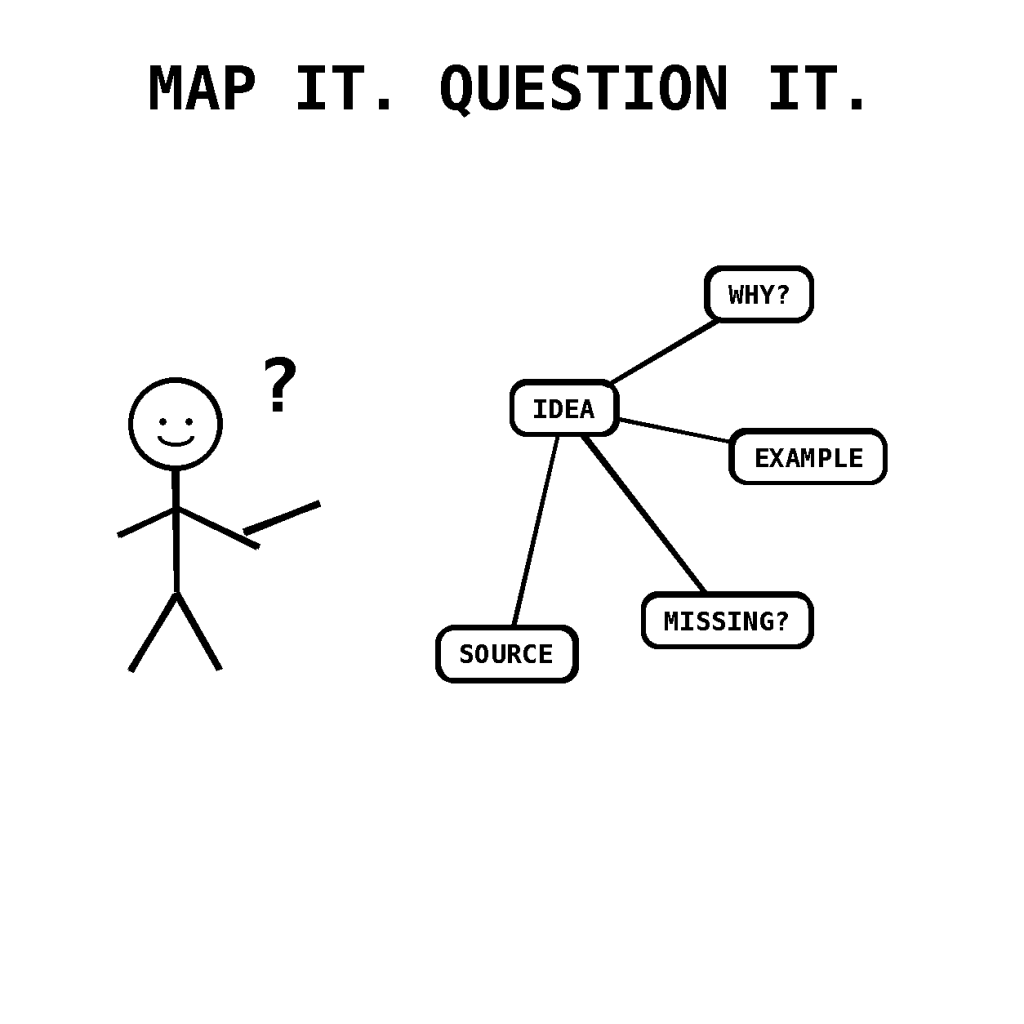
An AI Mind Map Can Look Perfect. Can Your Child Explain It?
AI-generated mind maps look impressive, but can your child explain their connections? Try a simple predict, compare and explain activity together.
-
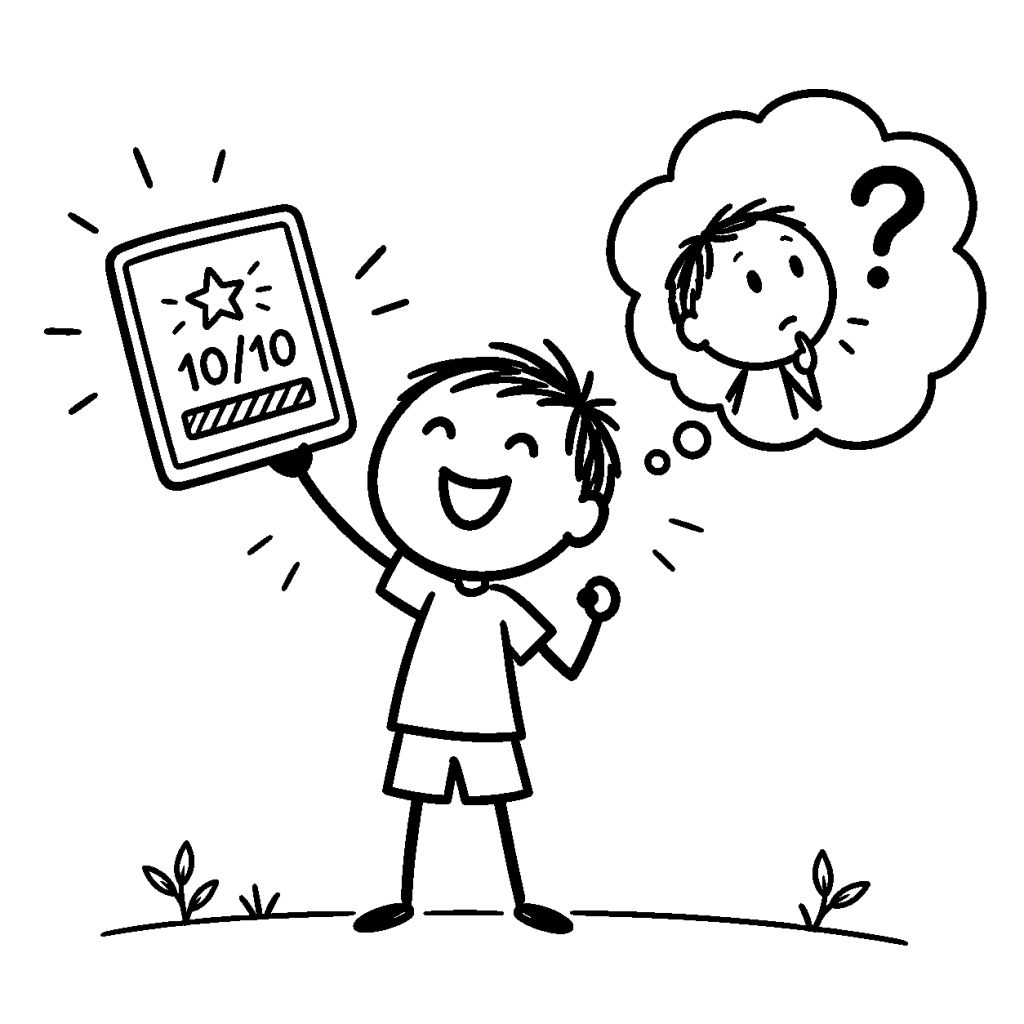
Your Child Finished the Learning App. But What Did They Learn?
An educational app’s perfect score is encouraging, but what can your child do afterward? Try three gentle checks that reveal more than a progress bar.
-
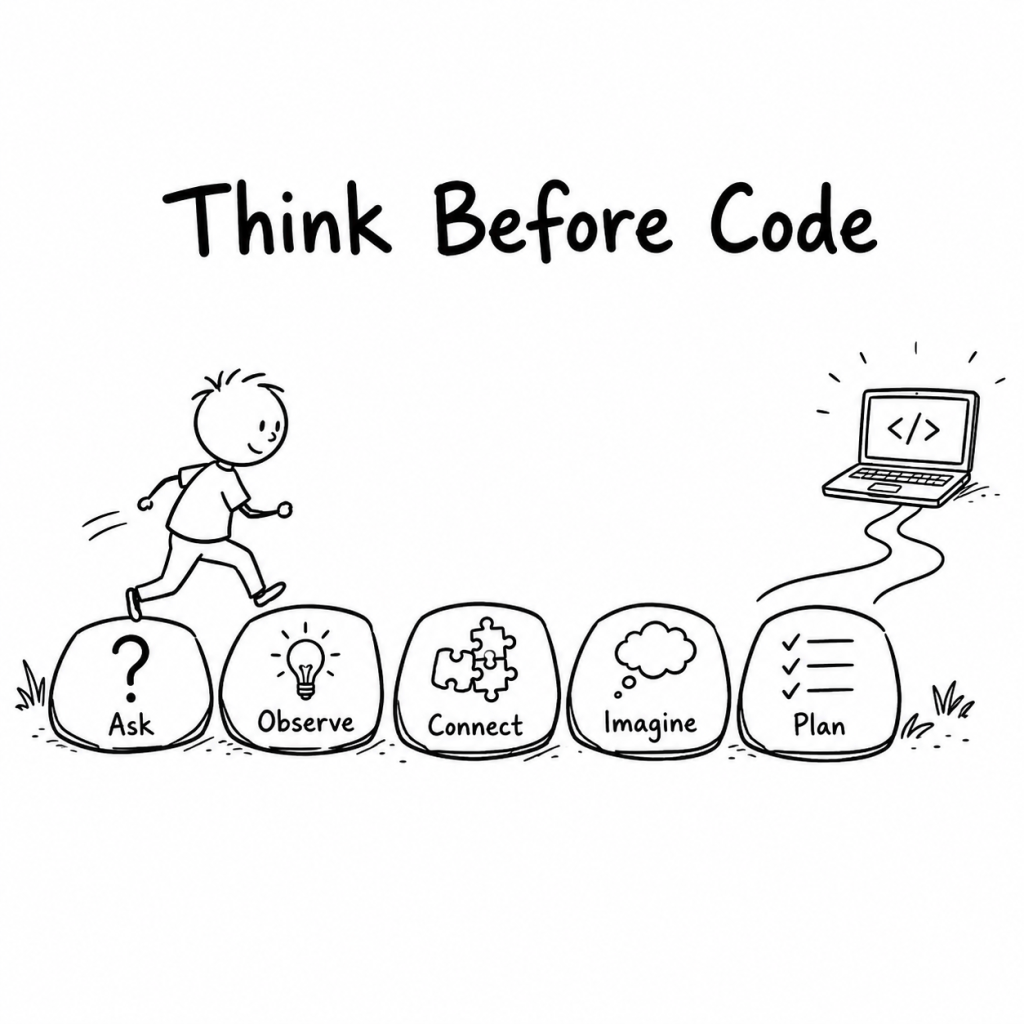
Five Thinking Habits Children Need Before They Learn to Code
Coding is valuable, but the deeper foundation is learning to define problems, break them down, test ideas, explain decisions and improve imperfect attempts.
-
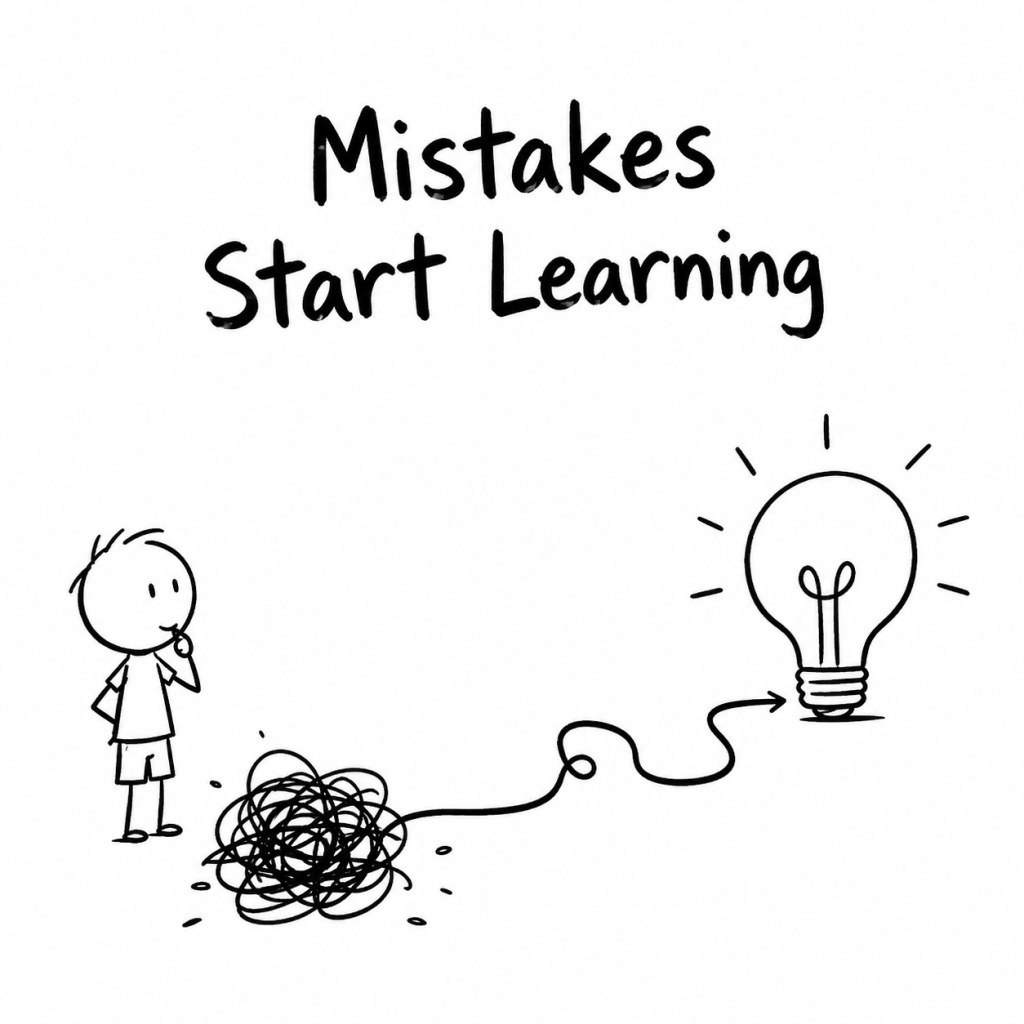
Why Children’s Mistakes Are a Better Starting Point for Explanation
A practical five-step method parents and educators can use to turn a child’s mistake into a clearer explanation and stronger understanding.
-
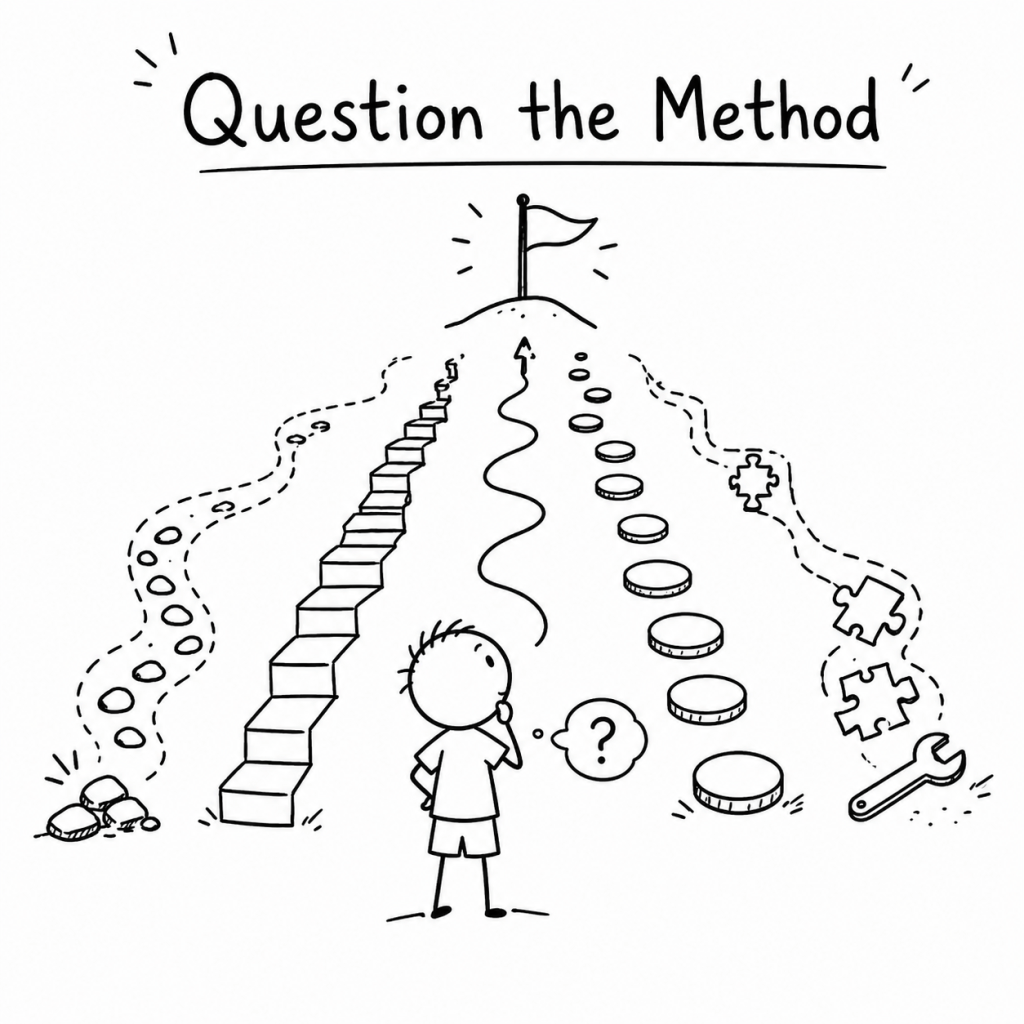
Teach Children to Question the Method, Not Just Improve It
First-principles thinking helps children separate facts from inherited assumptions, identify real constraints and rebuild a solution from what must be true.
-
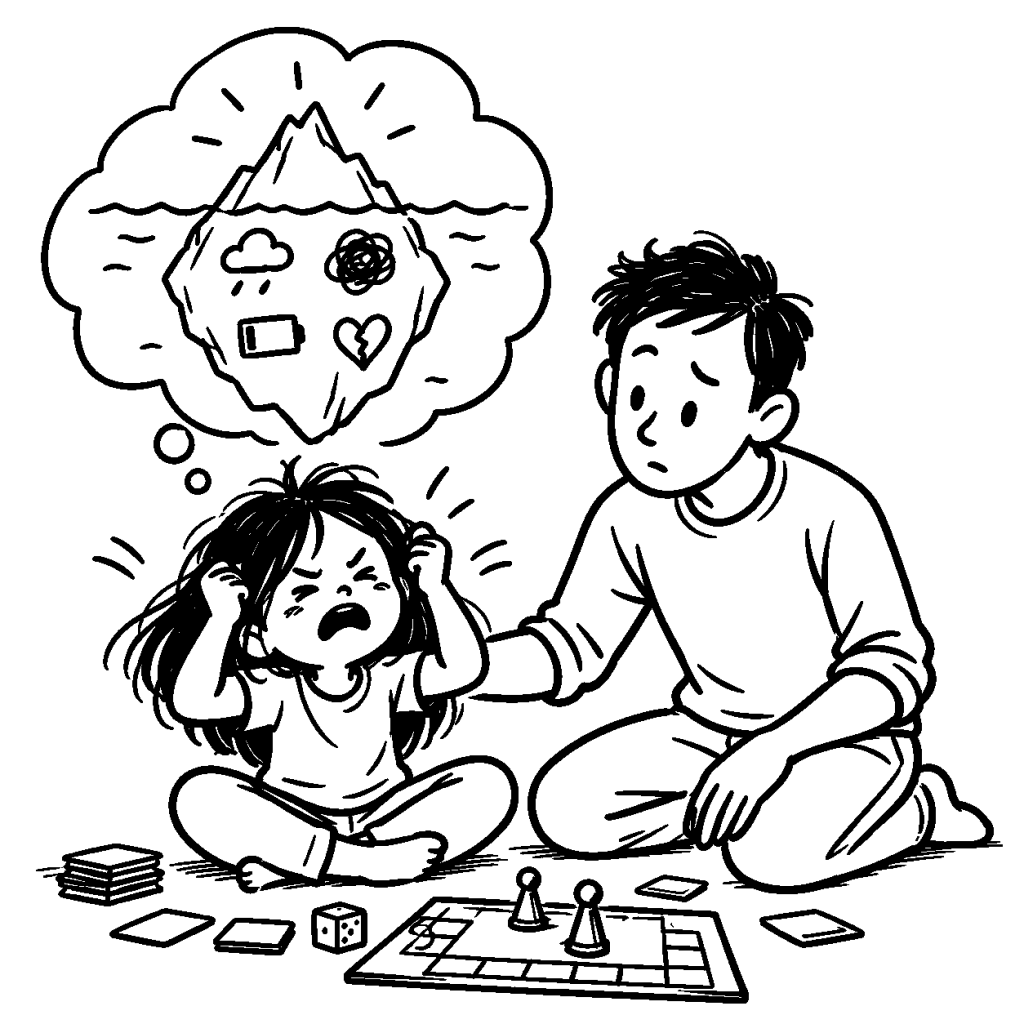
Your Child Is Overreacting. Or Are We Missing Something?
When a child’s reaction seems too big for the moment, try understanding the feeling while keeping clear limits. A practical approach for parents of school-age children.
-
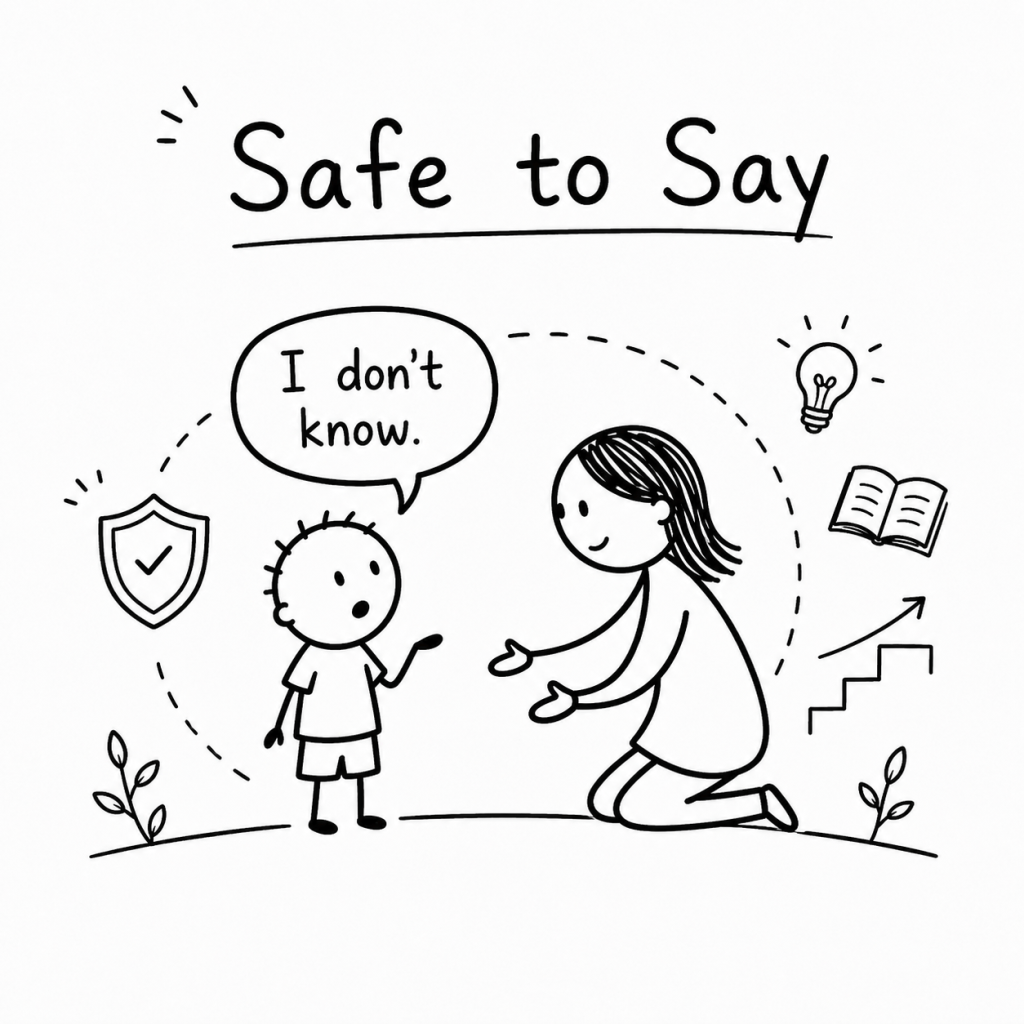
Children Learn More When ‘I Don’t Know’ Is Safe to Say
When children feel pressure to look correct, confusion stays hidden. Parents and educators can make uncertainty visible without praising helplessness or lowering expectations.
-
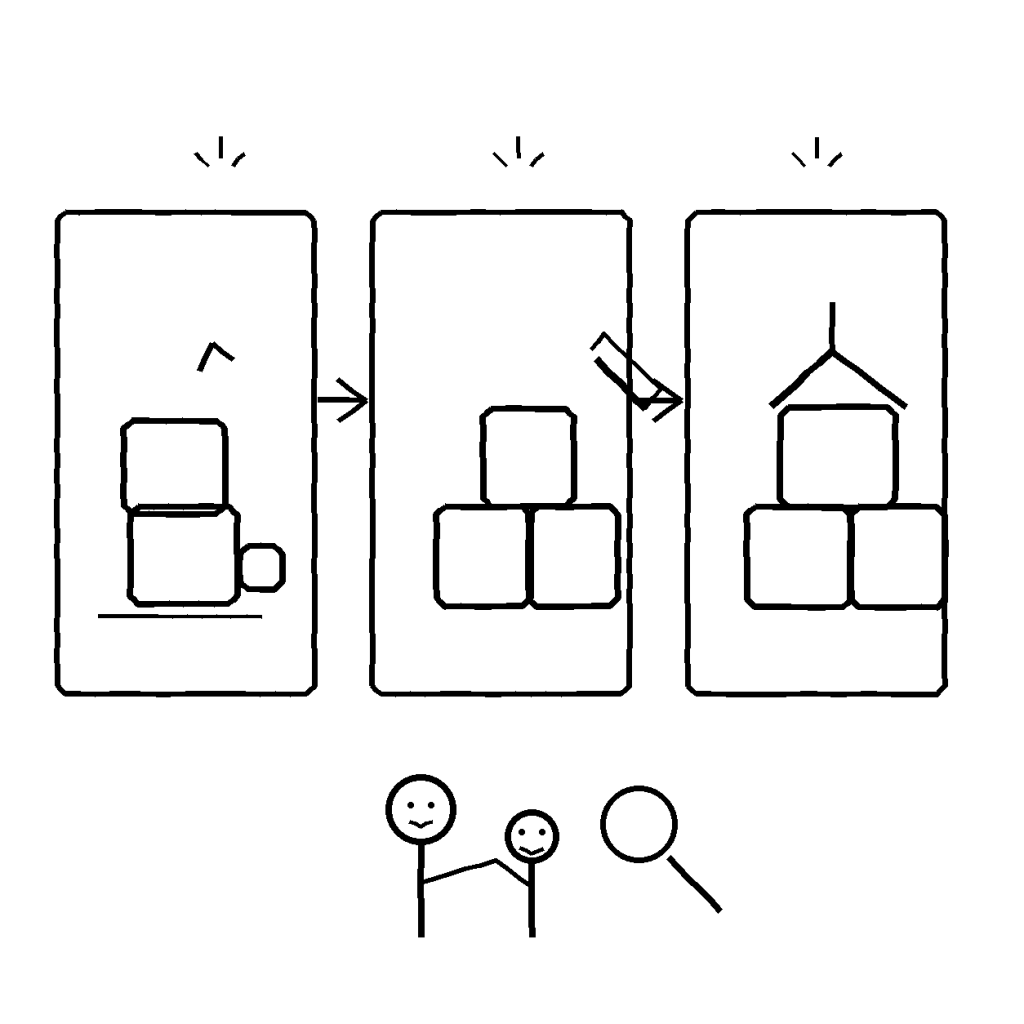
What Children Learn When We Celebrate the Process, Not Just the Result
A child’s finished project doesn’t show every useful decision. Here’s how to celebrate drafts, changes and experiments without pressuring kids to share.
-
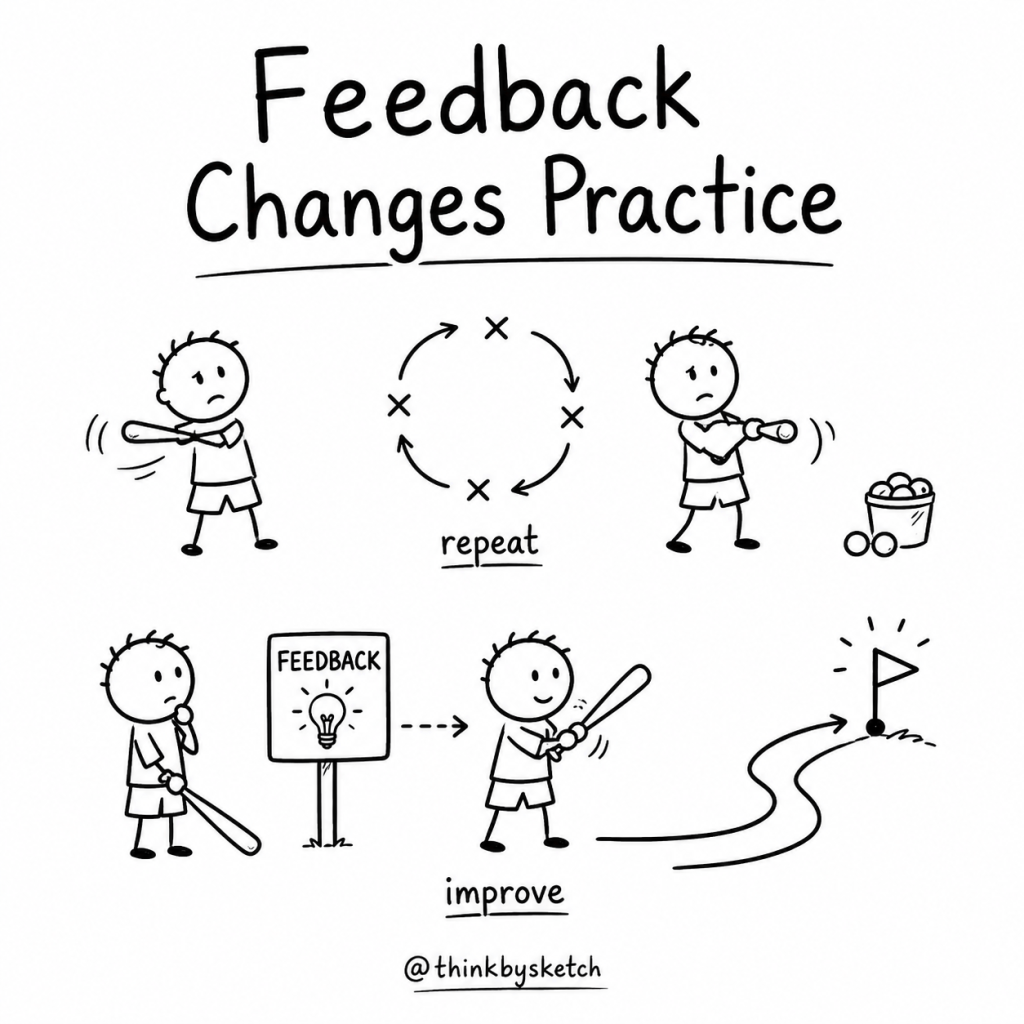
Practice Without Feedback Can Repeat the Same Mistake
Action matters, but repetition alone is not learning. Children improve when an attempt produces information they can use in the next version.
-
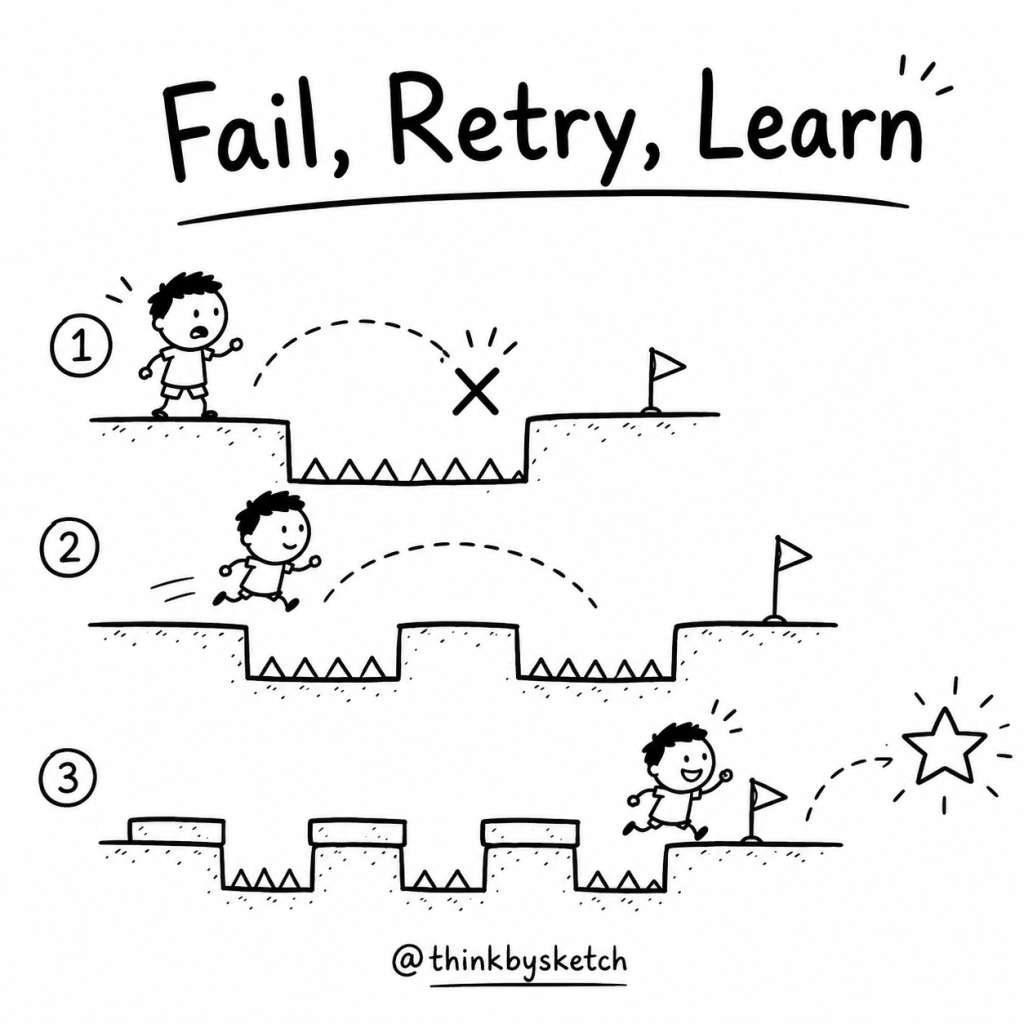
What Video Games Can Teach Children About Useful Failure
Games make retrying easy because feedback is immediate and the next attempt is clear. Parents can help children notice that process without pretending every game transfers automatically to…
-
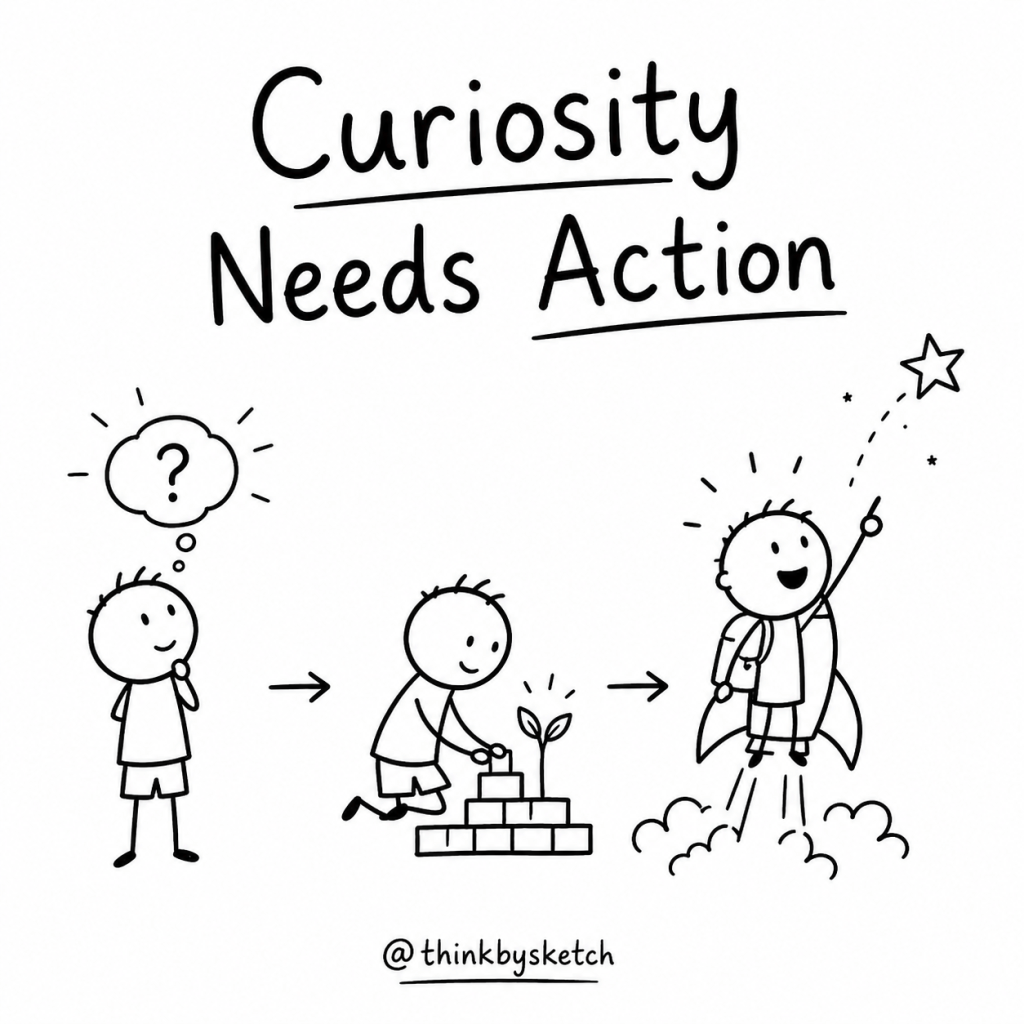
Curiosity Needs More Than Passion to Become a Project
Interest starts exploration. Questions, constraints, experiments and reflection help a child’s curiosity become something they can build and improve.
-
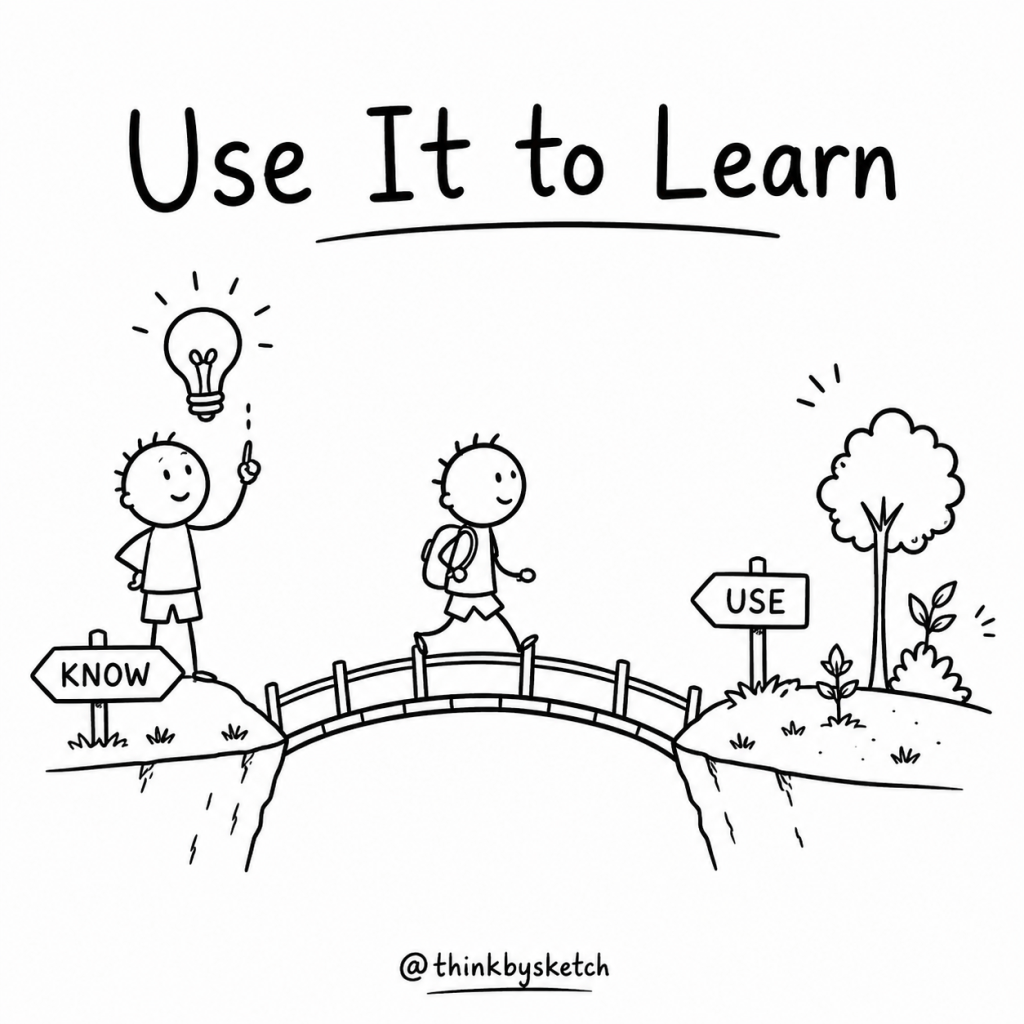
A Child Has Not Finished Learning Until They Can Use the Idea
Recognition can look like understanding. Application reveals whether a child can choose, adapt and use an idea outside the example where it was taught.
-
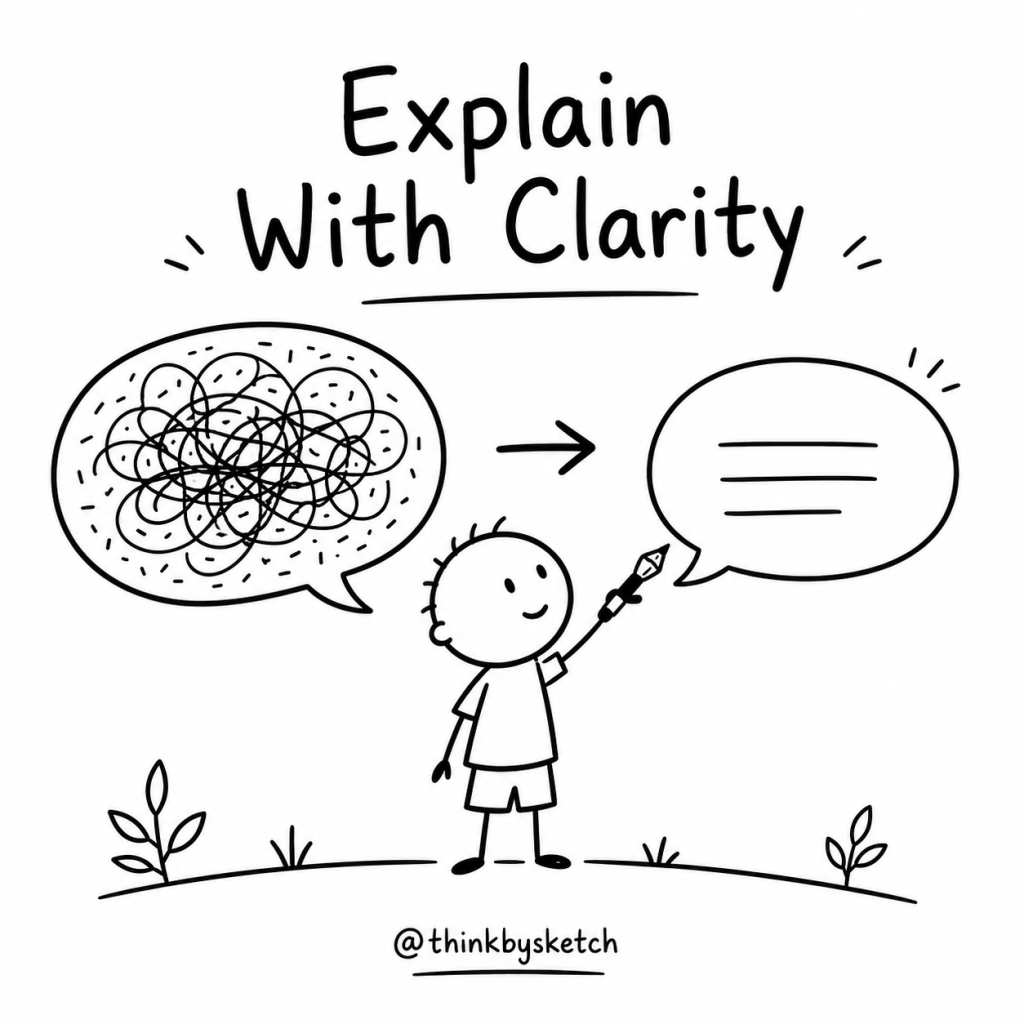
Can Your Child Explain an Idea Without Adding More Words?
Clear explanations are built by choosing what matters, organising it for the listener and checking whether the message survived the simplification.
-
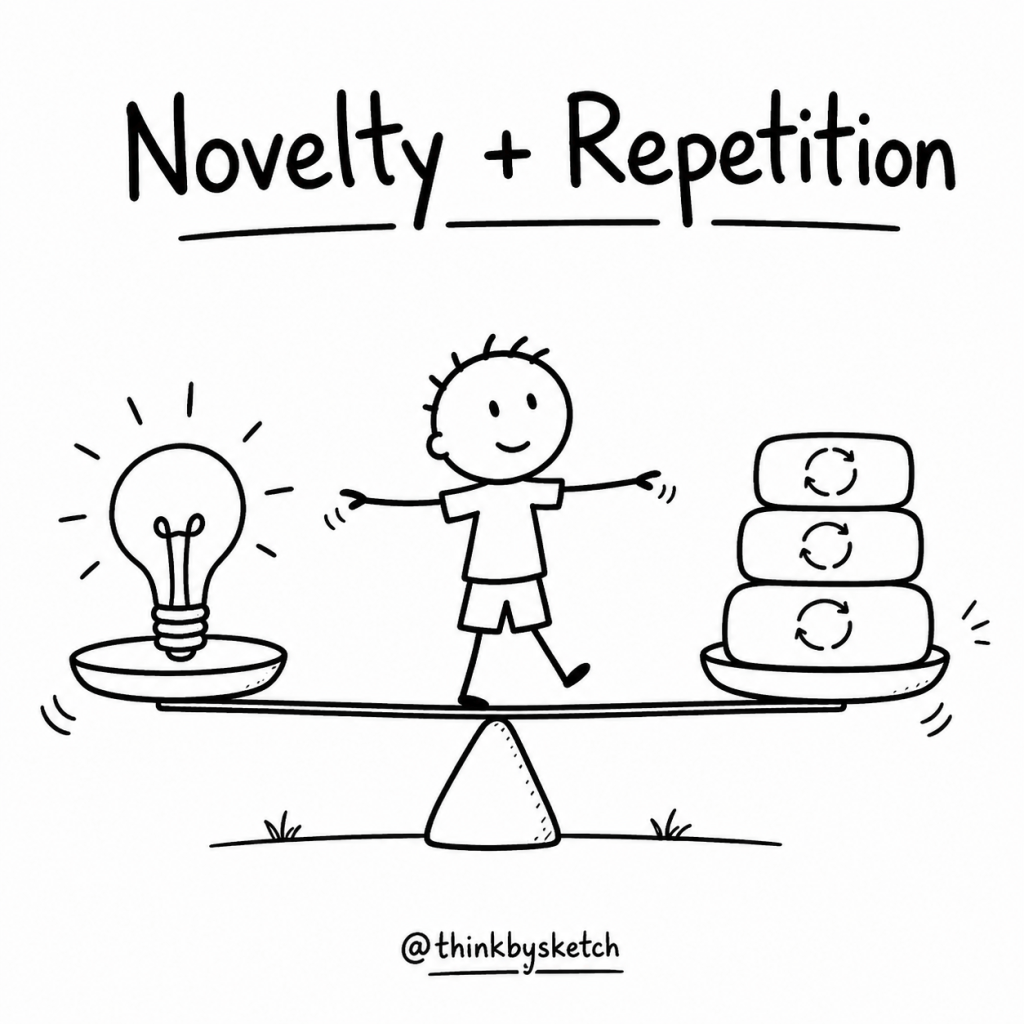
Creativity Needs Both Novelty and Repetition
New ideas attract attention, but repeated creative practice helps children develop judgment, technique and the ability to improve an unfinished idea.
-
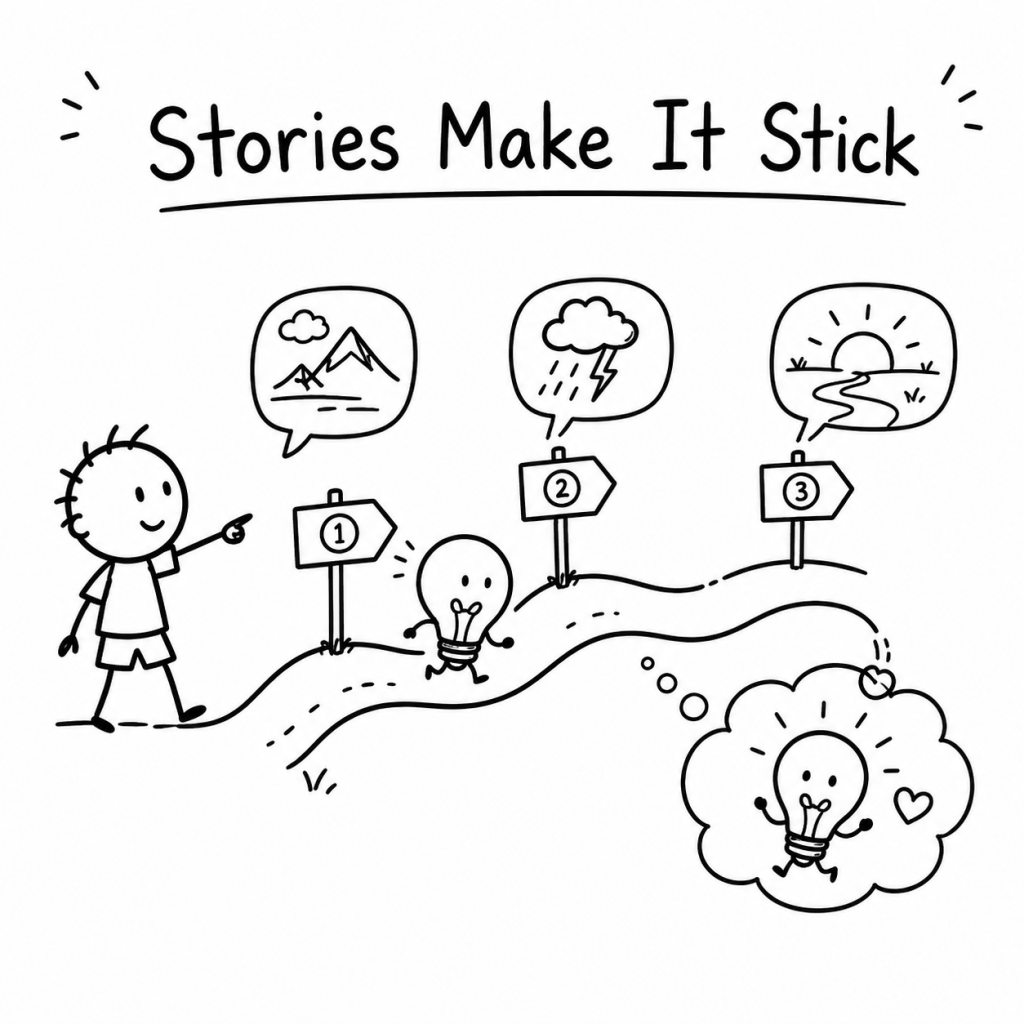
Storytelling Helps Children Make Ideas Memorable
A story is not decoration added after the thinking. It can help a child organise events, explain cause and effect and make an idea easier to follow.

