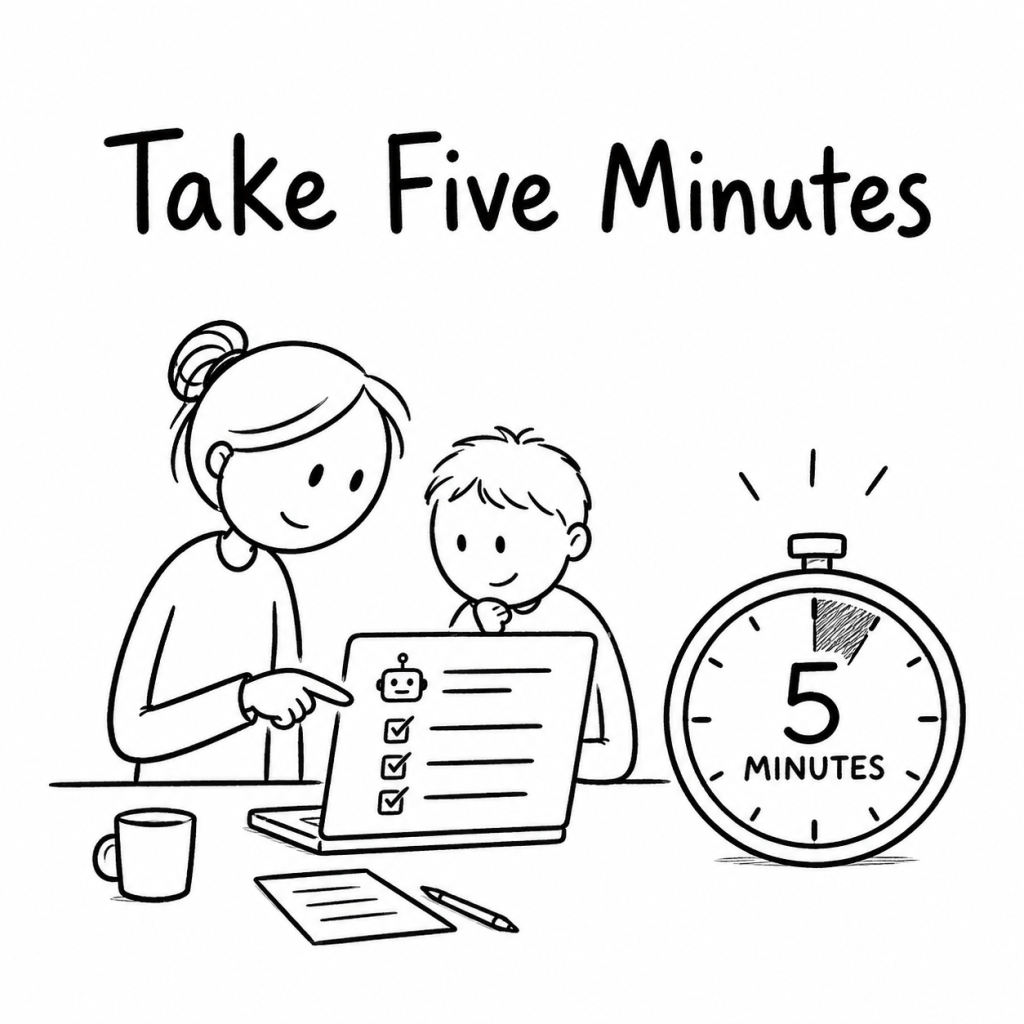
Five minutes of checking can prevent a confident AI answer from becoming a confident mistake.
Not every AI response needs an investigation. A playful story idea or drawing prompt can remain playful.
But when an answer includes a fact that a child may believe, share or use in schoolwork, a short checking routine is worth the effort.
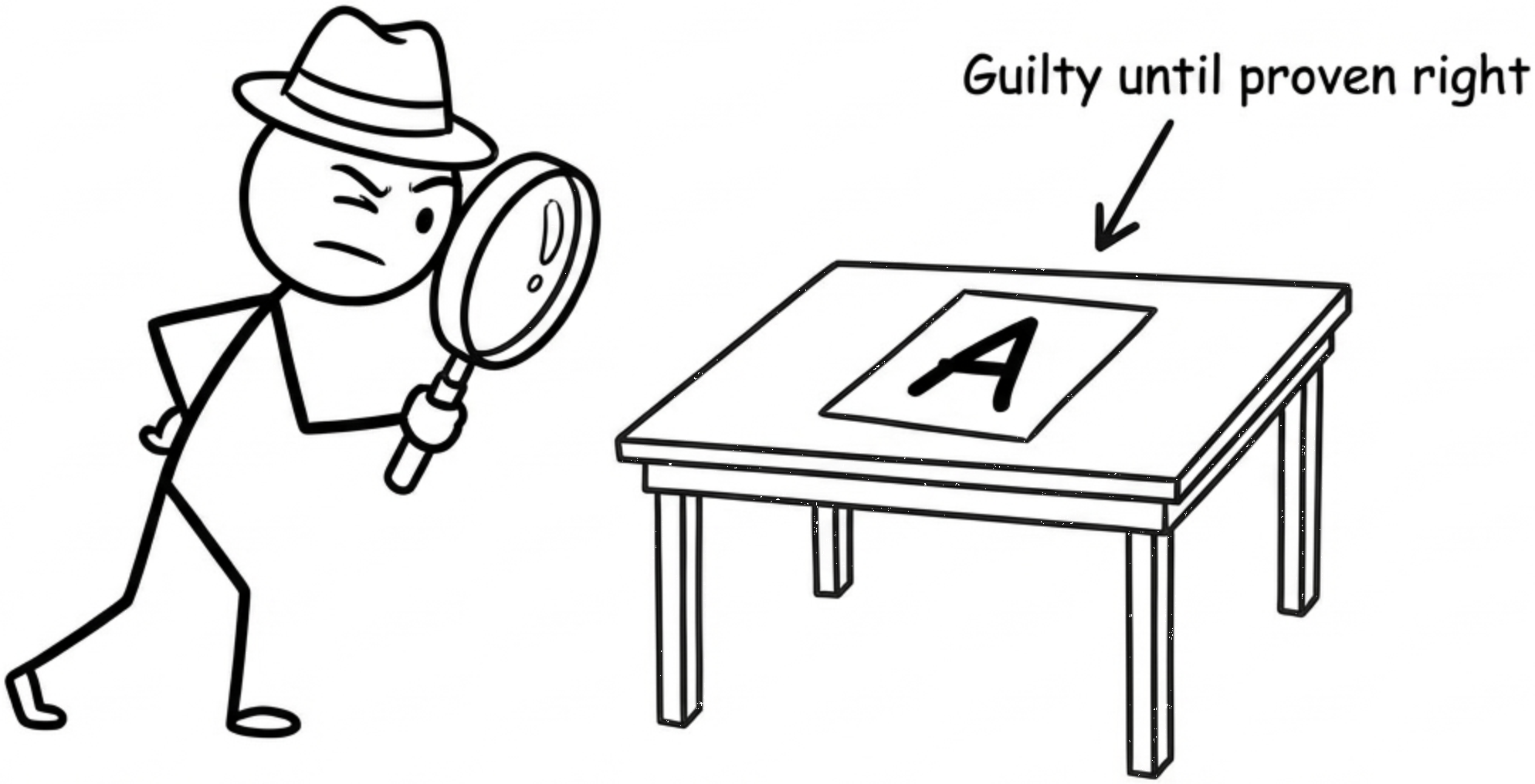
The aim is not to prove AI wrong. It is to decide how much confidence the answer has earned.
Minute 1: Name the claim
Ask the child to turn the answer into one sentence.
“What is the main thing this answer wants us to believe?”
A long response is difficult to check. One clear claim gives the family a target.
Minute 2: Mark the uncertain parts
Look for details that deserve attention:
- Numbers and dates
- Names and quotations
- Claims about current events
- Words such as “always,” “never” or “everyone”
- Statements with no visible source
Circle the detail that would matter most if it were wrong.
Minute 3: Ask what could be wrong
Ask AI:
“Which part of this answer is most uncertain? What assumption are you making and what should I verify independently?”
This can reveal weak spots. It is not proof because AI is still evaluating its own work.
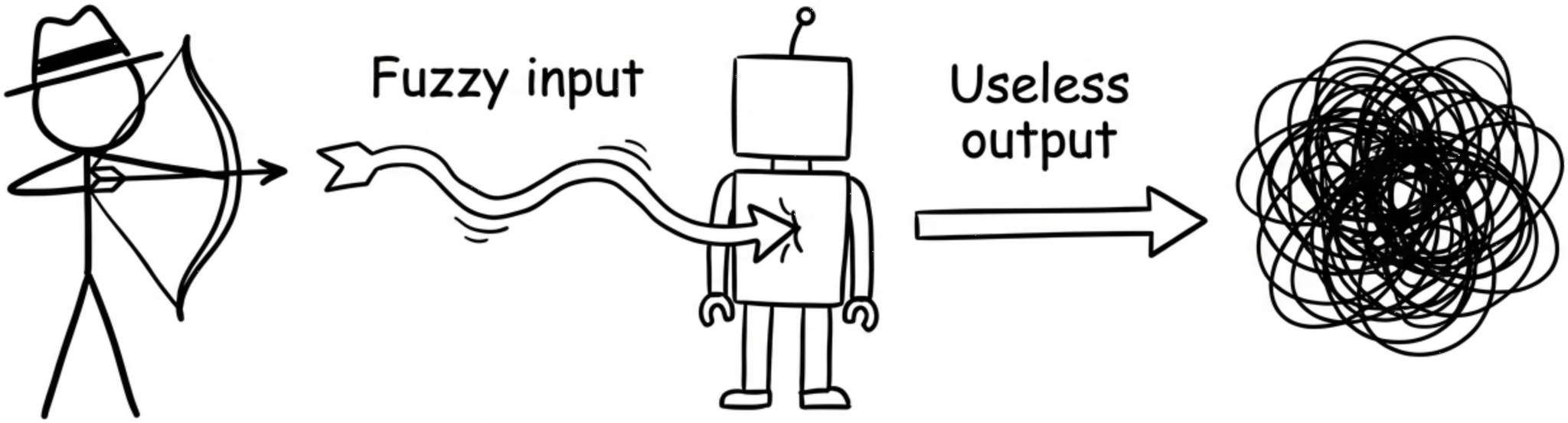
Minute 4: Check one suitable source
Use a source that fits the claim. This might be a book, an official organisation, a trusted educational source or a qualified adult.
Open the source. Do not assume that a link supports the sentence merely because it appears beside it.
Minute 5: Explain the decision
Ask the child to finish three sentences:
- “I think the claim is…”
- “The strongest evidence is…”
- “I am still unsure about…”
The child does not need perfect certainty. They need to connect their confidence to evidence.
Use the full framework when the stakes are higher
This routine is the quick version. For school research, important decisions or claims with real consequences, use the complete Pause, Question, Check, Compare and Explain framework.
After checking, ask whether the child can explain the answer without looking at AI. Verification protects accuracy. Explanation checks understanding.
A useful family rule: important claims wait five minutes before they become beliefs.
Part of the ThinkBySketch parent guide.
Read Should Children Use AI? or choose a path in Start Here.


Leave a comment