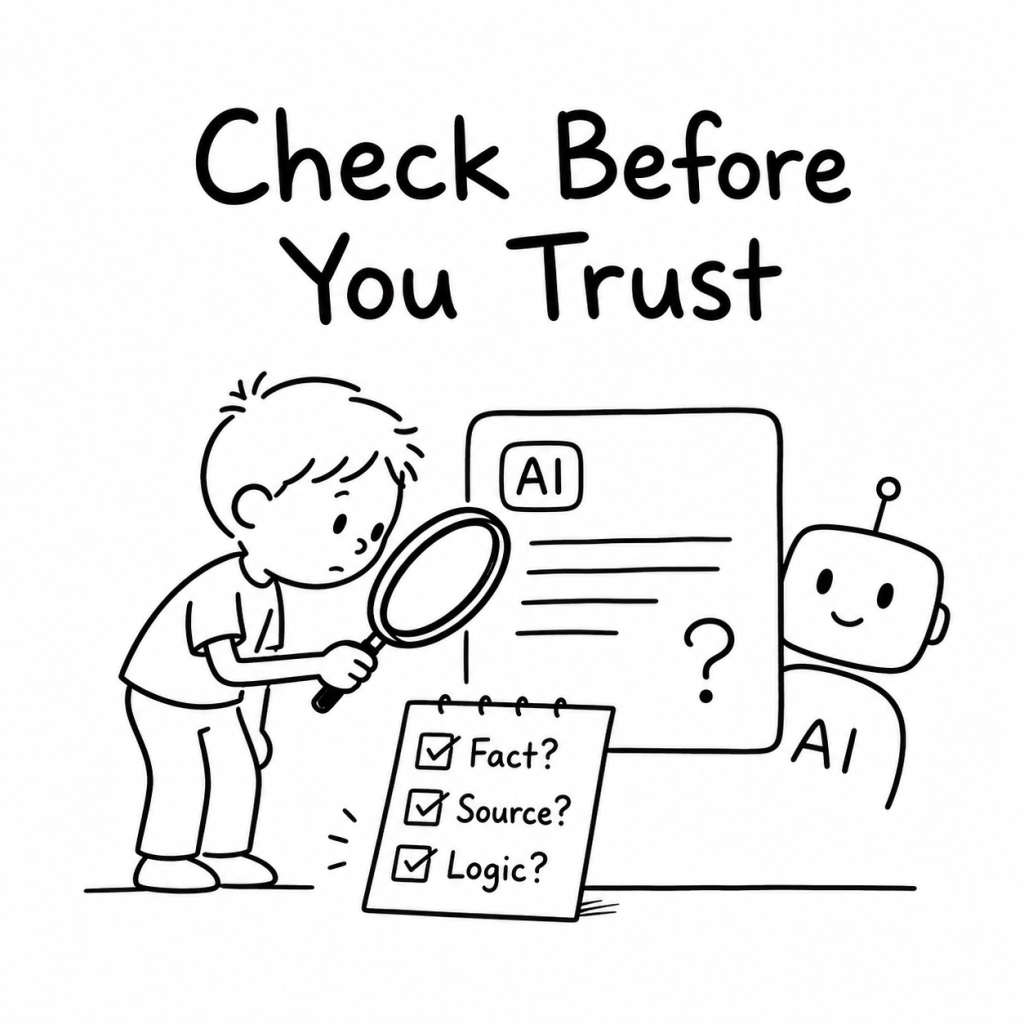
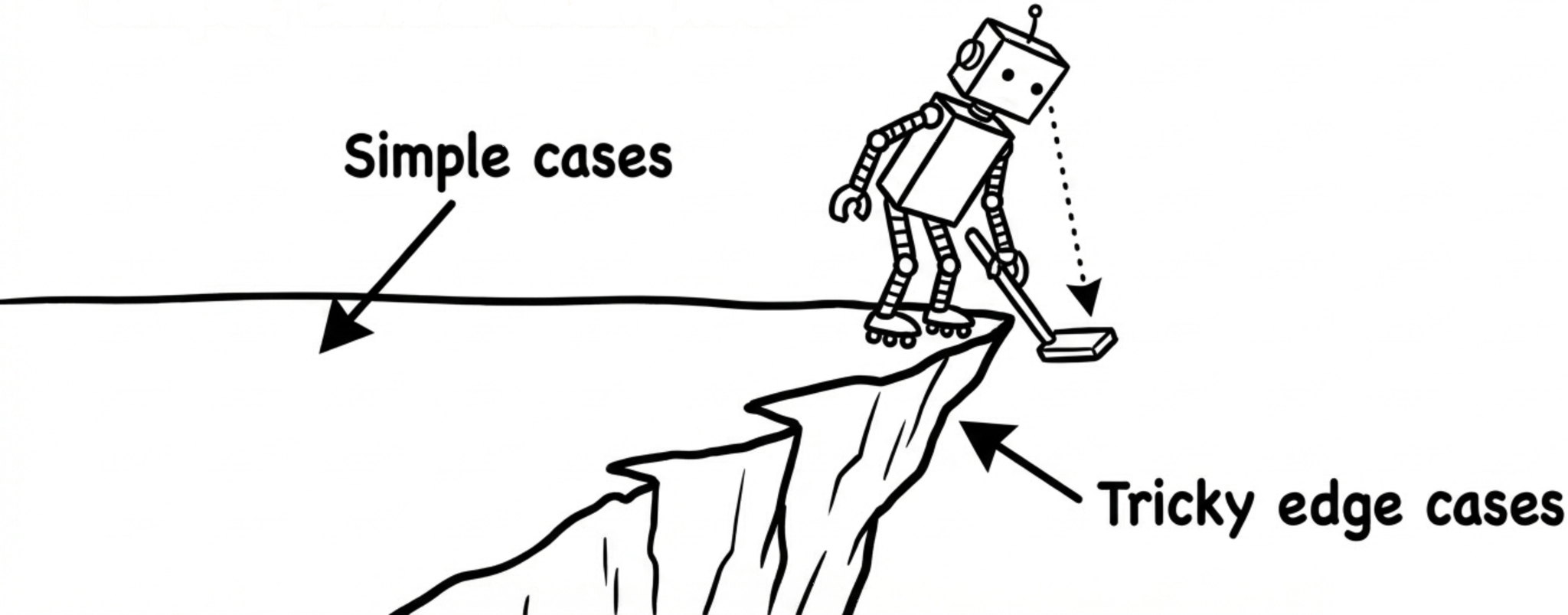
An AI answer can sound clear, calm and certain while still being wrong.
I once used a statistic in a LinkedIn post that AI gave me with complete confidence. Someone asked for the source. I went back to check and discovered that the statistic did not exist.
The problem was not only that AI produced a false claim. The problem was that I accepted the confidence of the sentence as evidence.
Children will face the same temptation. A polished answer feels finished. It can remove the small moment of doubt that usually makes us check.
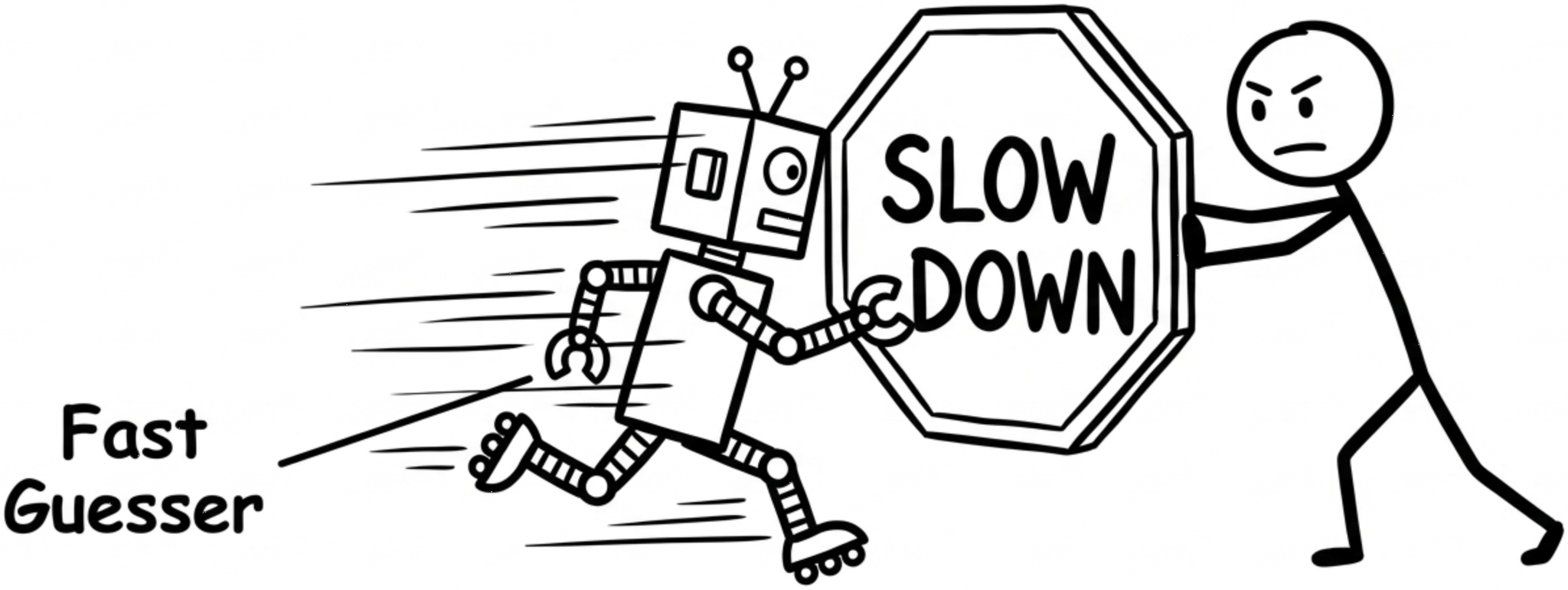
Do not teach children that AI is untrustworthy. Teach them that trust should be earned through checking.
The goal is calibrated trust
Blind trust is risky. Blind rejection is not useful either.
AI can help children explore questions, compare ideas, generate examples and improve drafts. But the wording of an answer does not tell us whether its facts, assumptions or sources are reliable.
A better habit is to treat every important answer as a starting point.
Use the Pause, Question, Check, Compare, Explain framework
1. Pause before using the answer
The first skill is simply creating a gap between receiving an answer and acting on it.
Teach the child to pause when an answer contains:
- A precise number or date
- A quotation
- A claim about a person or event
- Medical, legal, financial or safety advice
- Language such as “always,” “never” or “everyone”
The pause is not suspicion for its own sake. It is a reminder that important claims deserve more attention.
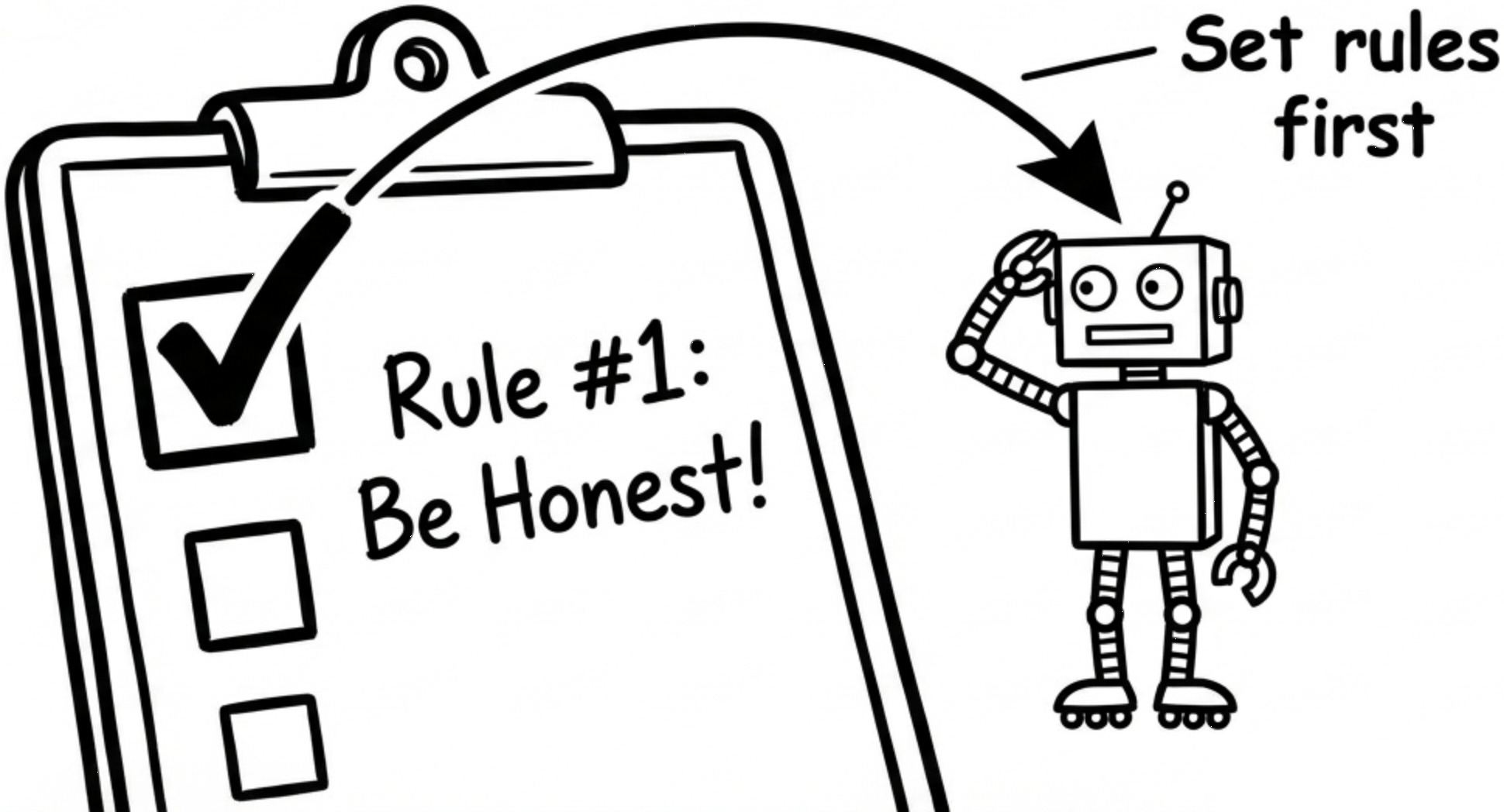
2. Question what the answer depends on
Ask the child to identify the main claim and the assumptions underneath it.
- “What is this answer asking us to believe?”
- “Which part might be a guess?”
- “What information could change the answer?”
- “Where might people disagree?”
This turns a smooth paragraph into smaller pieces that can be inspected.
3. Check the important claim somewhere else
Choose the strongest claim and verify it using a source that fits the question.
A book may be useful for a stable concept. An official organisation may be better for a rule or current figure. A teacher, doctor or other qualified person may be necessary when the decision has real consequences.
Do not ask only whether AI supplied a link. Open the source and check whether it actually supports the claim.
4. Compare answers instead of choosing the smoothest one
Ask for another explanation or find a second source. Then compare:
- What do both answers agree on?
- Where do they differ?
- Which answer shows its limits?
- Which one provides evidence that can be checked?
The aim is not to collect many answers. It is to notice that different answers can rest on different assumptions.
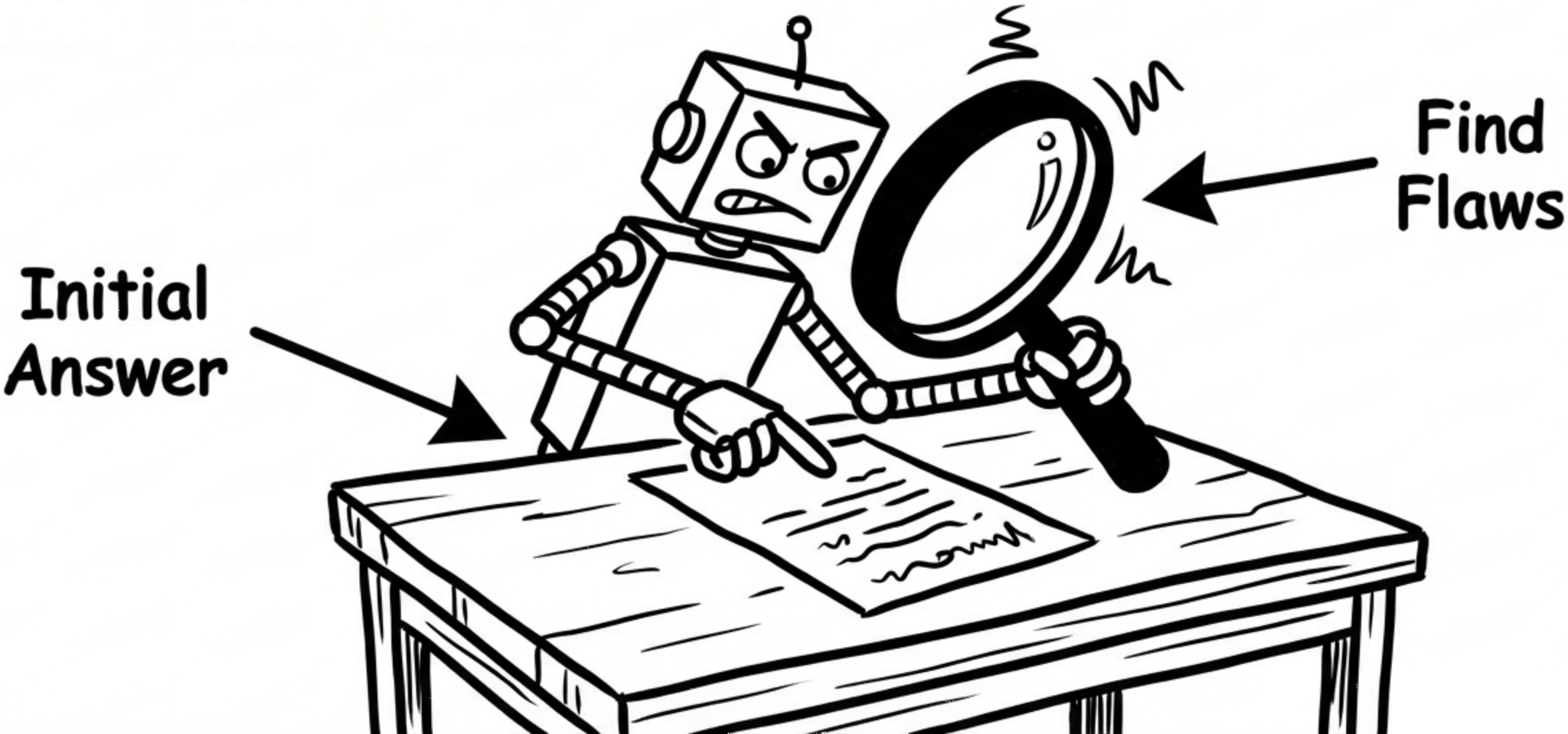
5. Explain the conclusion in your own words
After checking, ask the child to explain:
- What they now believe
- Which evidence changed or supported their view
- What remains uncertain
- What they would check next
This final step keeps judgment with the child. It also connects verification with understanding. A useful companion is the explain-back test for AI-assisted learning.
A reusable prompt for children
“Help me check your answer. Separate facts from guesses. Tell me which claim is most important to verify, what kind of source I should use and what could make your answer wrong. Do not pretend to have checked a source unless you actually can.”
This prompt can make uncertainty more visible. It cannot replace independent checking.
Try the family fact-checking activity
Choose one interesting claim from an AI conversation. Keep the activity small enough to finish in ten or fifteen minutes.
- Write the claim in one sentence.
- Circle the words that make it sound certain.
- Predict whether the claim is true, false or partly true.
- Find one suitable independent source.
- Rewrite the claim with the right level of certainty.
For example, the original claim might say, “Octopuses have three hearts and each one performs the same job.” After checking, the child may rewrite it to show that the hearts have different roles.
The learning is not only the corrected fact. It is the process of moving from confidence to evidence.
Use more checking when the cost of being wrong is higher
Not every AI answer needs the same level of verification.
A silly story idea can be used immediately. A historical date for homework should be checked. Health or safety guidance should be checked through appropriate reliable sources and a qualified adult.
The higher the cost of being wrong, the stronger the checking should be.
This is the decision rule children can carry beyond AI.
Do not ask children to distrust every answer. Help them learn when to pause, what to question and how to earn confidence through evidence.
Part of the ThinkBySketch parent guide.
Read Should Children Use AI? or choose a path in Start Here.


Leave a comment