
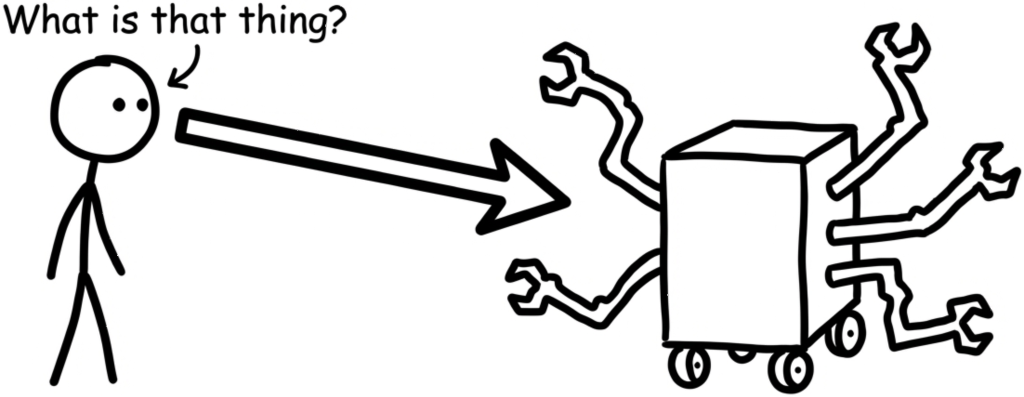
The hidden social cost of building “weird” robot bodies for human workplaces
The first time I watched a six‑armed warehouse robot roll out, the room didn’t see innovation. It saw a threat. Same safety rules. Same clearance zones. But people backed away, eyes narrowed. That’s when I realized: robot design isn’t just engineering. It’s social choreography—and most teams are dancing blind.
The Social Cost of Weird Robots: Why Six Arms Might Fail
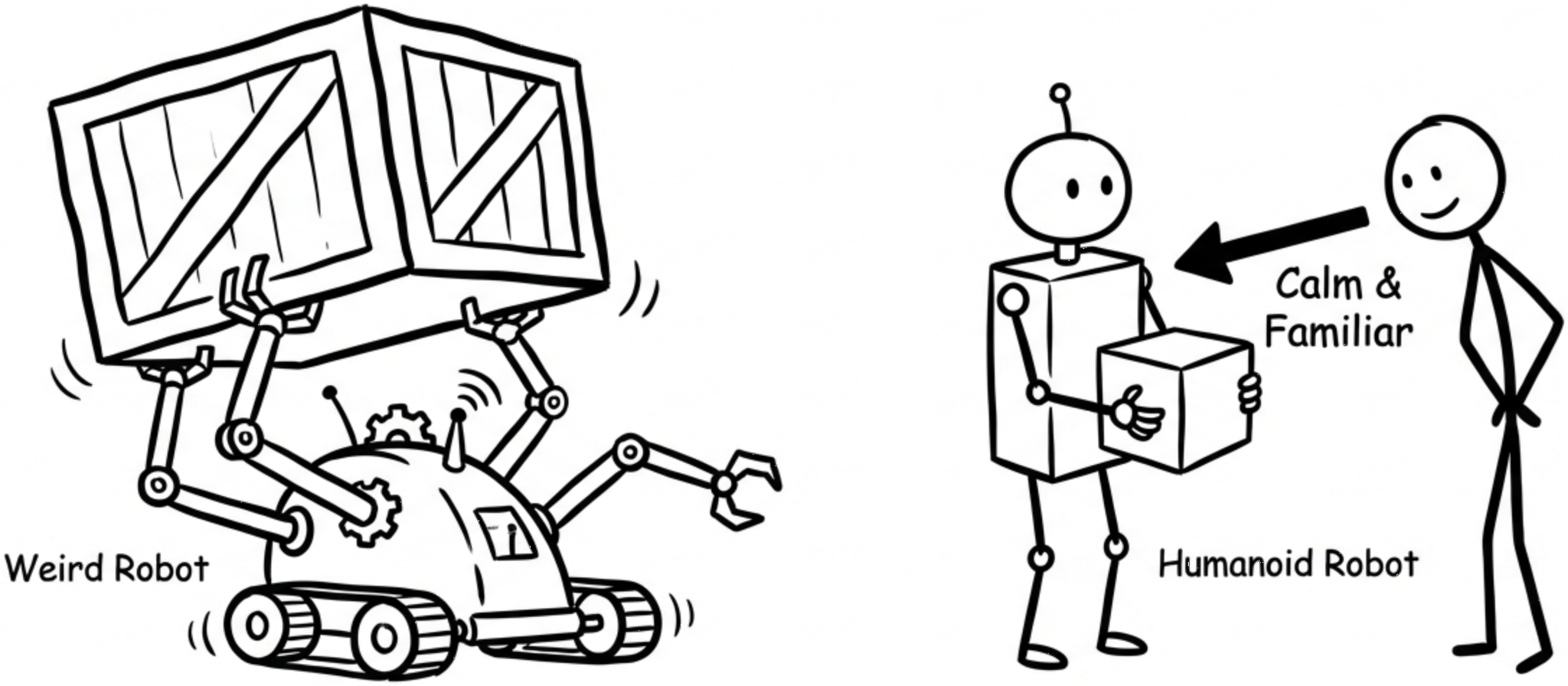
Robots can already lift more, move faster, and work longer than people. Yet most of us feel calmer when a machine looks and moves in a familiar, human-like way.
Why Shape Changes Trust
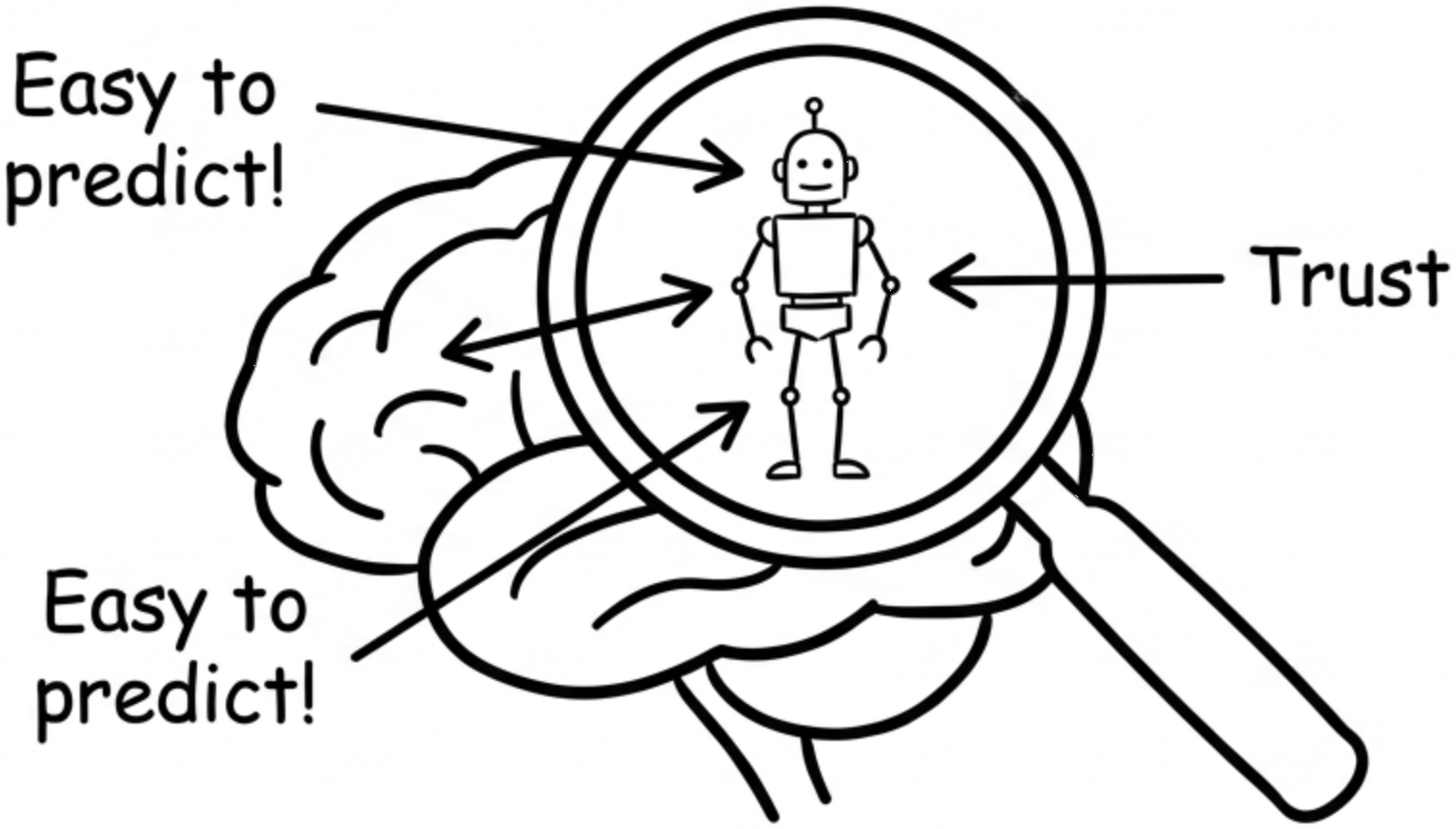
Our brains read body shape and movement to guess intent. A roughly human form makes a robot easier to predict, trust, and work beside, even if a six-armed wheeled machine is actually more capable.
Here are ideas that explain why humanoids win and how to introduce non-humanoid robots without scaring people off:
Familiar Shapes Feel Safe
People use familiar forms to judge if something is safe. A head, torso, and two arms match what we know from other humans, so we can guess where it will move and what it might do.
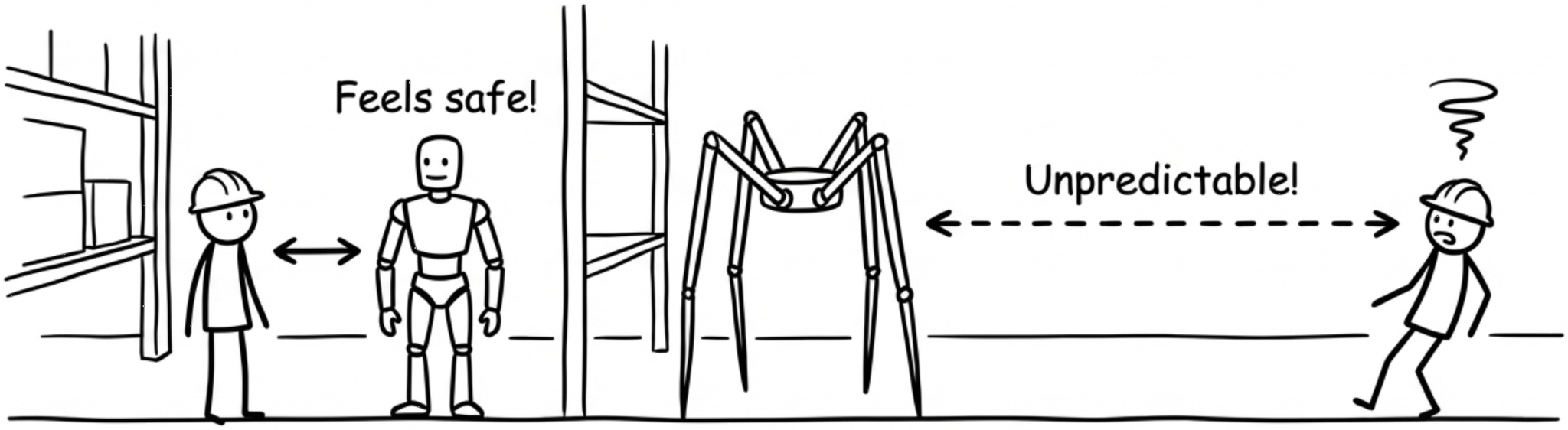
📖 For Example
A warehouse worker may stand closer to a human-shaped robot than to a tall, spider-like machine, even if both follow the same safety rules.
The Uncanny Valley Trap
The uncanny valley is the uneasy feeling when something looks almost human but not quite right. A robot face with stiff eyes or slightly odd skin can feel creepy, even if the robot is harmless.
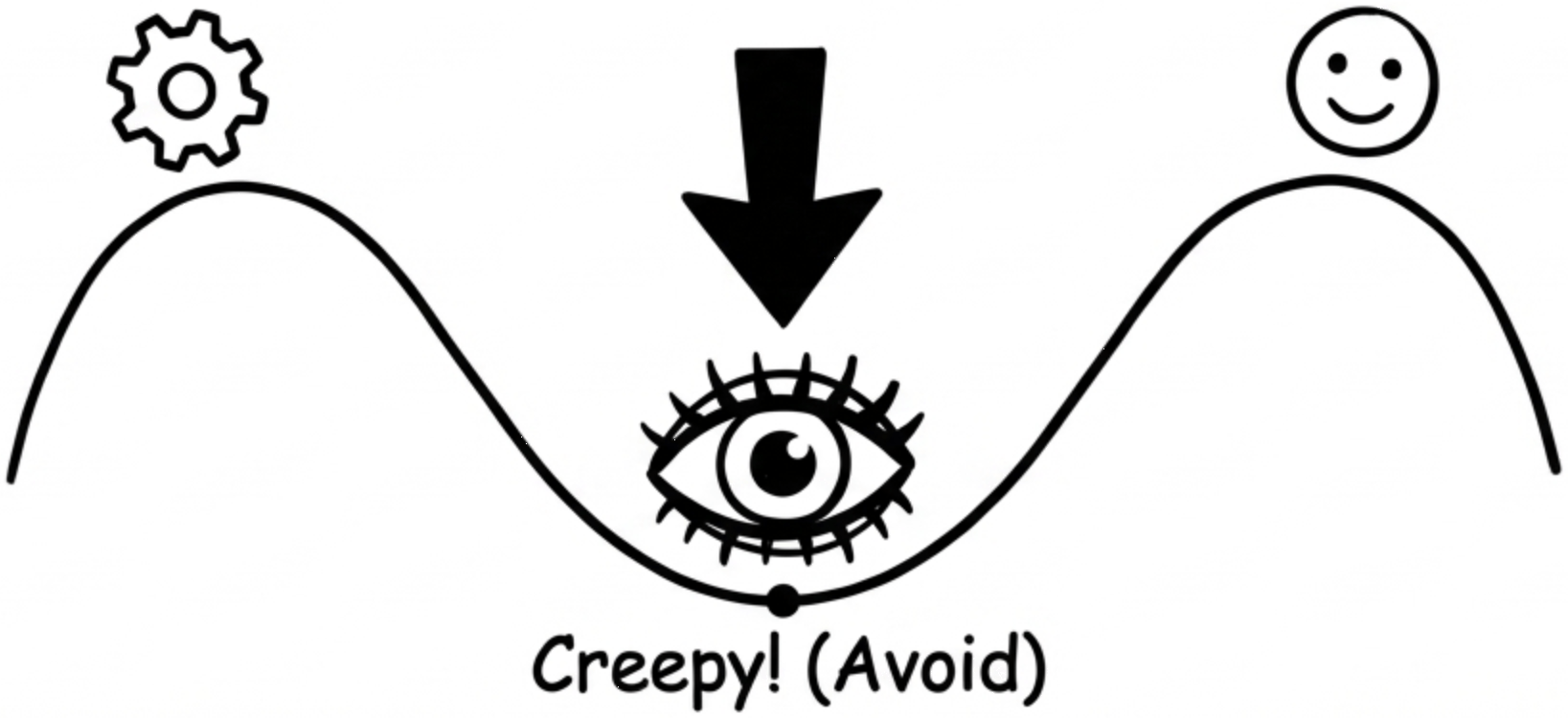
To avoid this, designers often pick either clearly mechanical robots or gently human-like ones, instead of chasing perfect realism.
Homes And Tools Built For Humans
Most homes, offices, and tools are built around the human body. Doors, stairs, chairs, handles, keyboards, and safety rails all assume two legs, two arms, and human reach.
Another advantage of making Humanoid robots is they can use all these tools easily.
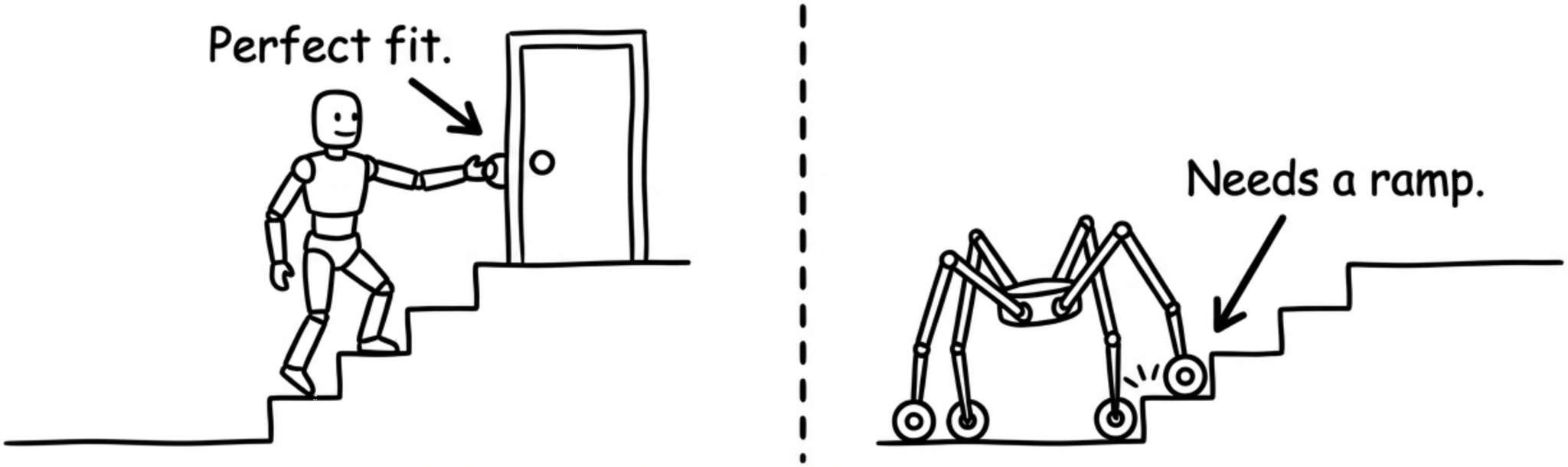
A six-armed wheeled robot might be stronger, but it may need ramps, new doorways, or custom tools.
Taming Weird Robot Vibes
Non-humanoid robots, like six-armed wheeled machines, only work well if people don’t feel spooked.
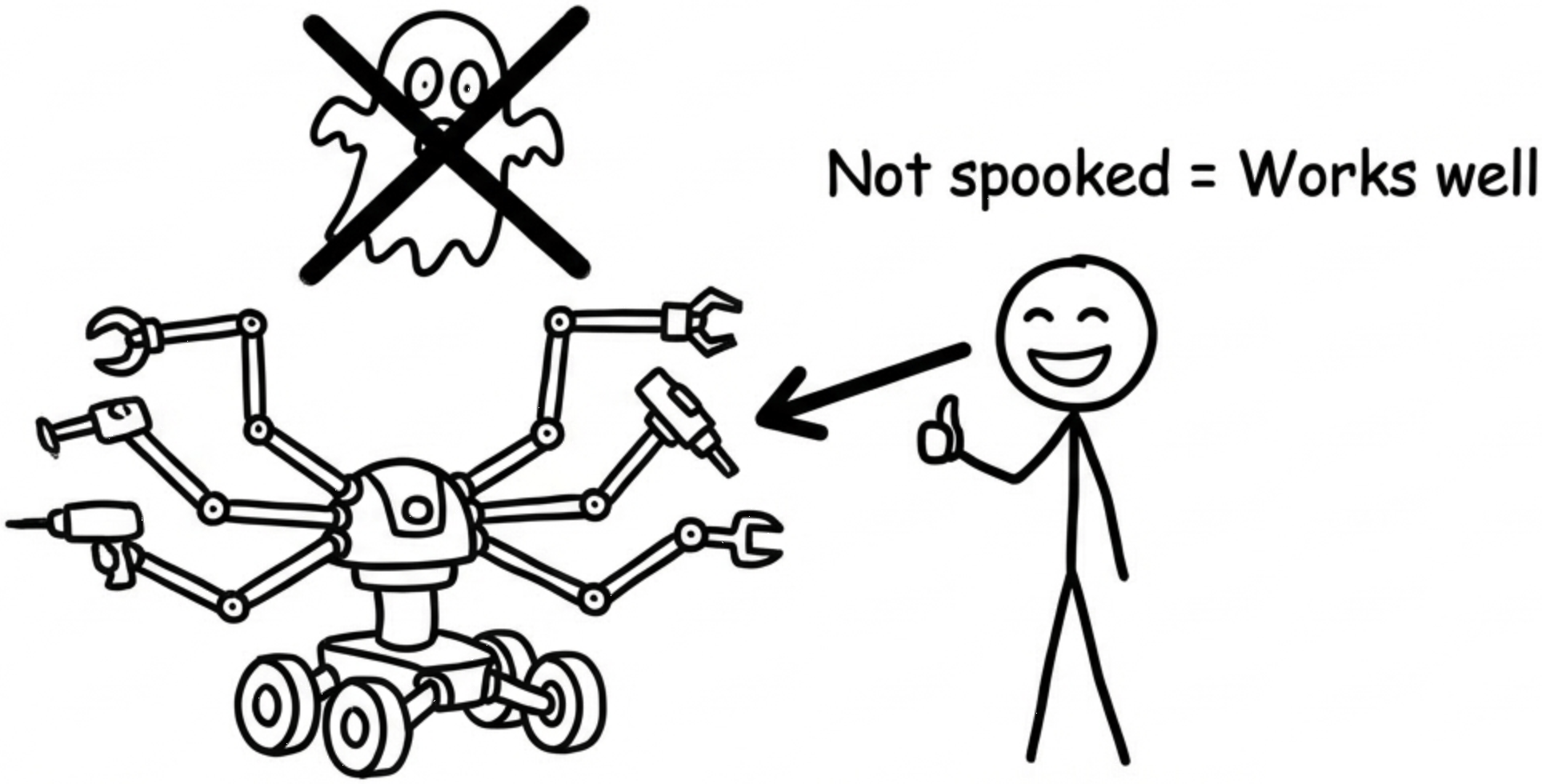
Introduce them slowly
Give them clear roles (plain job + path).
Add friendly signals (lights, sounds, “eyes”) to their design.
And add gradual exposure (limited areas first) between these robots and humans.
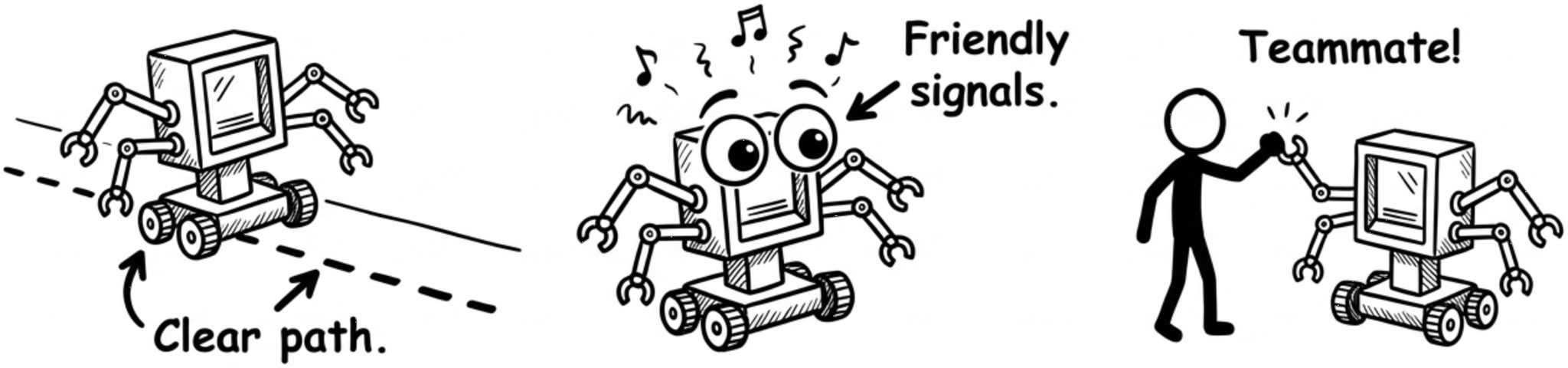
Do that, and a weird shape becomes a teammate instead of something people avoid.
🎯 Why It Matters
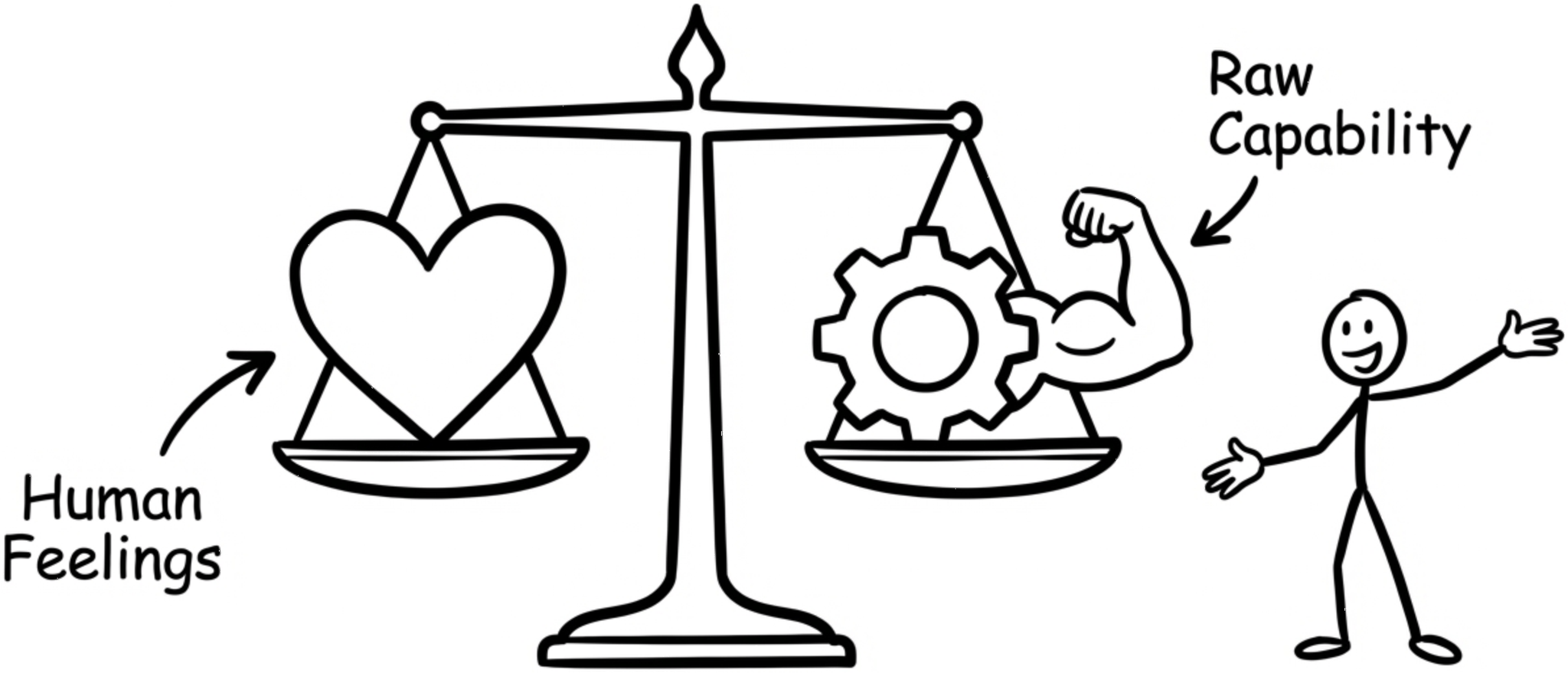
Design the robot body for human feelings and spaces, not just for raw capability.

 ThinkBySketch